
Finding Solitude in Algonquin’s Hidden Lakes
Presented in partnership with Air Charter Service
Photos provided by Air Charter Service
Published August 20th, 2026
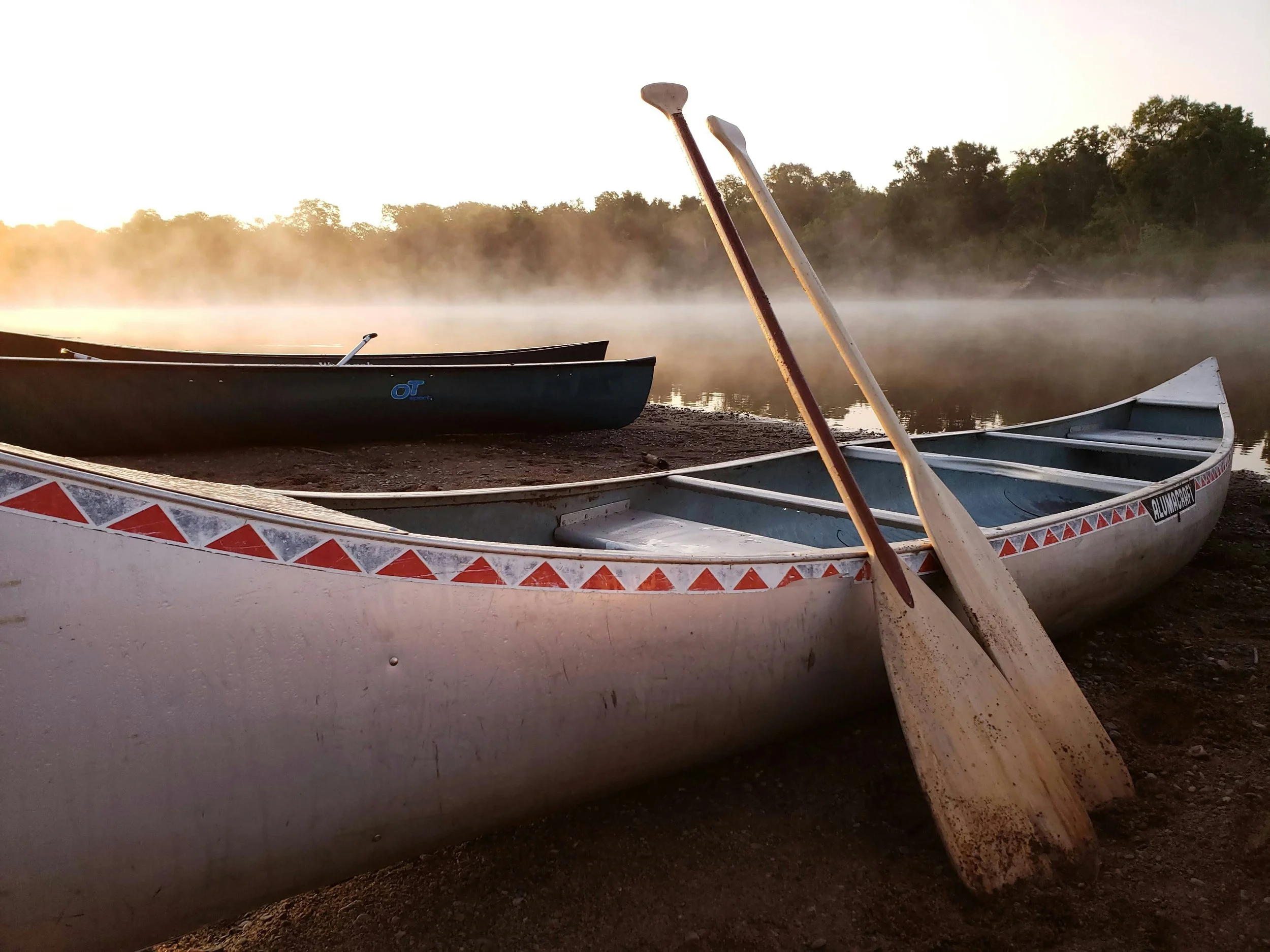
When people think of Algonquin Provincial Park, they often picture a series of autumn viewpoints beside Highway 60 but in reality, most of the park lies far beyond that road. The interior is a broad network of lakes, rivers, portages and forest campsites, which you can reach by canoe or on foot.
Beyond the Highway 60 Corridor
Highway 60 passes many of Algonquin’s trailheads, campgrounds and popular lakes, including Canoe Lake, where outfitters make it really easy for you to rent equipment and get onto the water. The corridor is a great route for a first visit, although summer weekends and the autumn colour season can bring heavy traffic. If you’re coming in from farther afield, you might want to choose a charter plane to reach Ontario before continuing by road to the park, particularly if you’re working with a limited schedule.
If you’re looking for an area with more space, you’ll want to continue past the roadside stops and plan a route from one of the backcountry access points. Here, even one short portage can separate a lively launch area from a much quieter lake. The work involved in getting all the way here ends up being a natural filter (many day visitors turn back before reaching the next stretch of water), so you’ll be assured of a serene, uncrowded ground.
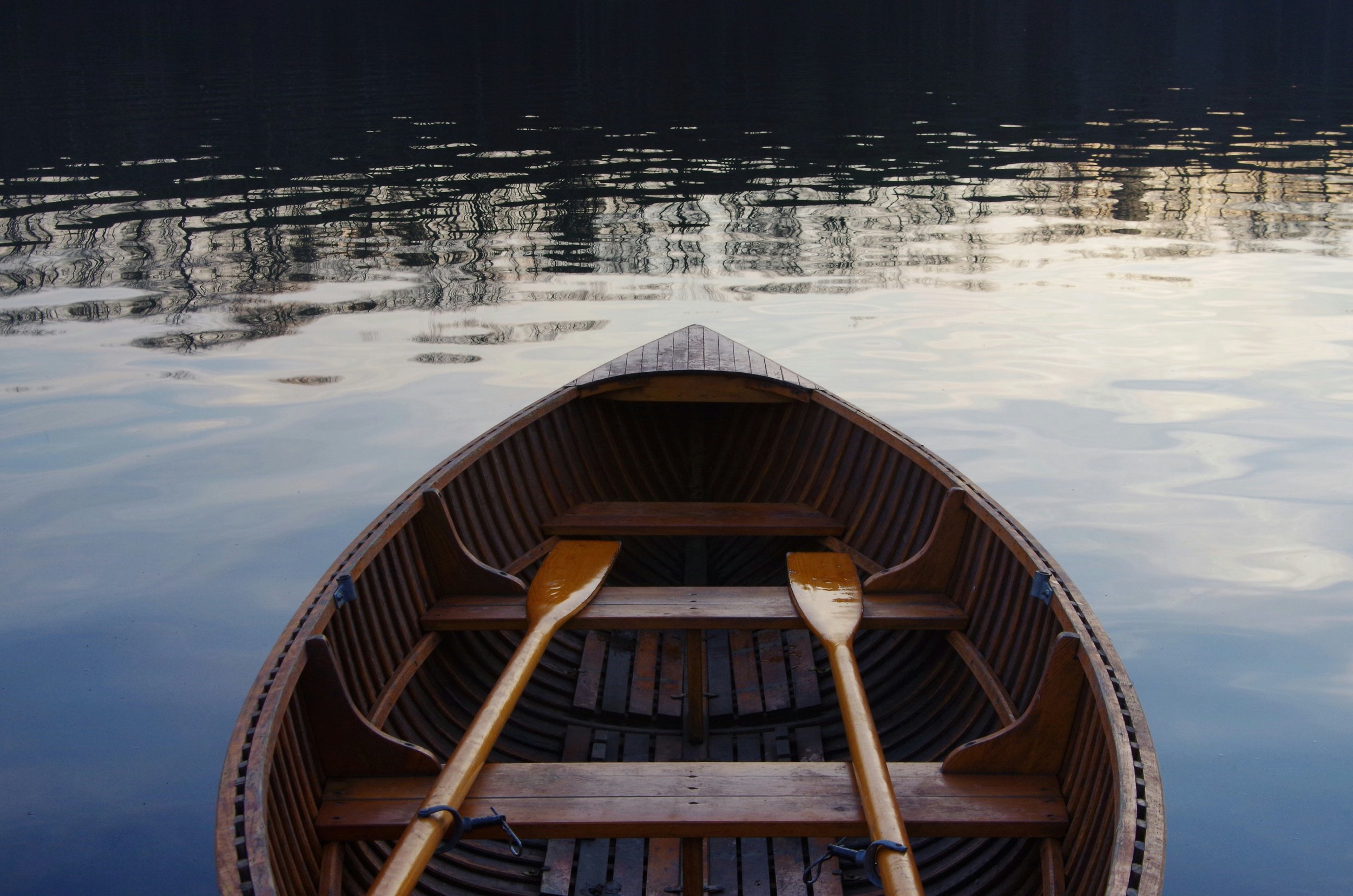
Finding Solitude By Canoe
A canoe is a very unique way to experience Algonquin; there’s no quick way through except to go the full course. You paddle according to the wind, stop where the shoreline allows and carry every piece of equipment between lakes. At a portage landing, this might mean you have to step into shallow water, unloading packs and balancing the canoe before following a rough path through the forest.
There’s no doubt that a lot of this involves physical, occasionally awkward work. But there’s a certain joy in roughing it; wet boots, uneven ground and biting insects are part of the experience, especially in warmer months. You’ll also get to learn the different “personalities” of each lake: each one often feels different from the one left behind, with fewer boats, narrower bays, and long shorelines broken only by granite and trees.
You don’t need to start off hardcore though. A first trip doesn’t need to involve several days in the interior. Routes from Canoe Lake or Rock Lake can be a gentler introduction to backcountry paddling without demanding a major expedition from you and your party. Also, the route you end up taking will depend on paddling ability, portage length, weather conditions, and how comfortable you are carrying equipment over uneven ground.
There are several things you can do to make the trip easier on yourself, especially if you’re new to canoeing.The important thing is to start early when the day includes exposed water. A calm lake at breakfast can become difficult by mid-afternoon, and a headwind will slow even experienced paddlers. There’s also the fact that leaving spare time also makes it easier to stop for lunch, wait out poor conditions, or reach camp before the light begins to fade.
Quiet Lakes Beyond the Main Routes
Algonquin’s smaller lakes don’t look all that remarkable on a map, but their character will become much clearer when you’re actually looking at the water. Some have narrow entrances bordered by reeds, while others sit below wooded ridges with pale granite breaking through the shoreline. You might even notice a beaver lodge near a sheltered bay, paddle marks on a landing rock, or a small campsite sign fixed between the trees. If you’ve got the luxury of not having to adhere to a packed itinerary, you can take the time to notice these things. No need to rush to any famous viewpoints; the lake is the whole reason you’re there, after all.
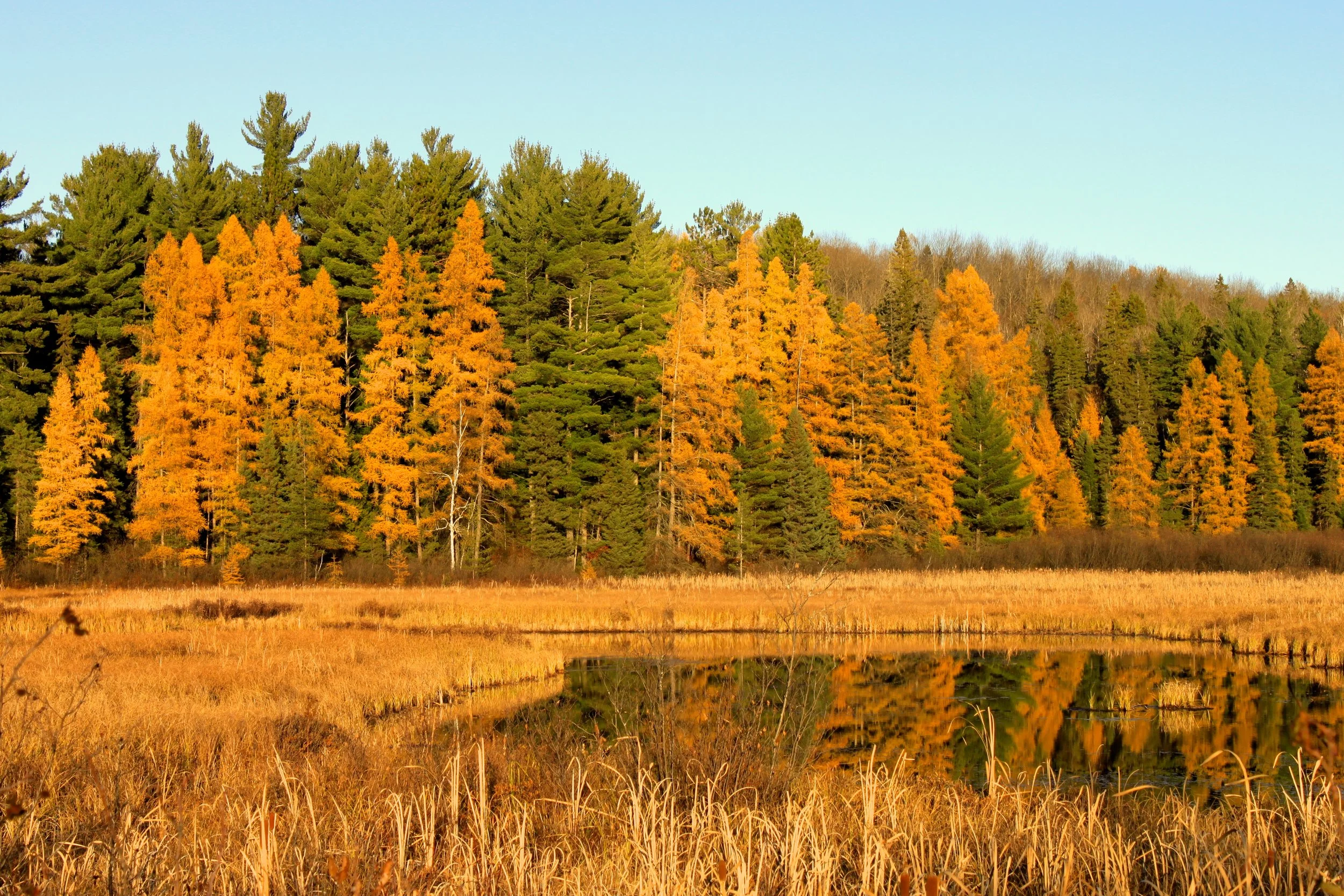
Walking Across Algonquin’s Granite Ridges
Of course, canoeing isn’t the only way to reach quieter parts of the park: there’s also the age-old tradition of using your own two feet. Several trails climb onto sections of the Canadian Shield, where tree roots cross bare granite and rainwater gathers in shallow depressions. The rock can become slippery, so you’ll need shoes with a firm grip (getting across safely is far more important than covering the trail quickly).
Centennial Ridges is also one of Algonquin’s better-known hikes, with high viewpoints over forest and water. Keep in mind that this one’s a demanding walk rather than a brief stop beside the road; you should carry enough water, allow time for uneven ground and pause at the open sections instead of treating the route as a race.
Granite Cliffs at Barron Canyon
Barron Canyon lies in the eastern part of Algonquin, away from the main Highway 60 corridor. Here, the Barron River runs beneath steep rock walls, and a short trail leads to viewpoints along the rim. The cliff edge is exposed, so you’ll need to keep a sensible distance rather than moving forward for a photograph.
The canyon also shows a harsher side of Algonquin’s landscape. Fractured rock drops towards the river, while dense forest fills the land beyond it. If you arrive early, you won’t see as many other people on the trail, for one…but the real benefit would be having enough time to look properly rather than taking a quick picture and returning to the car.
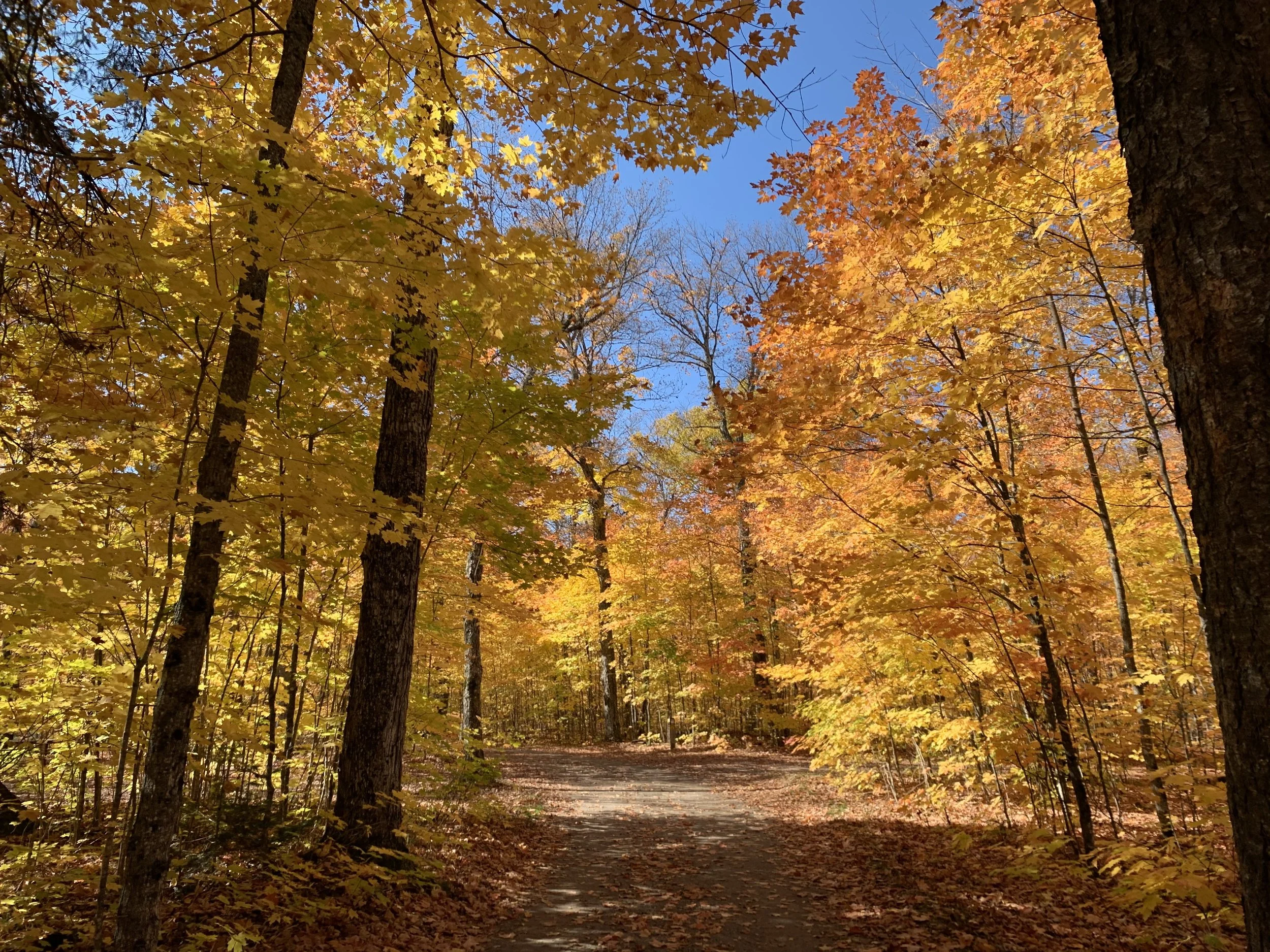
Sleeping at an Interior Campsite
An Algonquin backcountry campsite usually offers space for a tent, a fire area and access to the lake. Everything else depends on adequate preparation. You’ll need to pull the canoe above the waterline, treat your drinking water, and store your food correctly to avoid attracting wildlife.
Once those jobs are finished, you’ll have easy evenings ahead of you. You can prepare dinner beside the water and hang your damp clothes to dry while the last light moves across the opposite shore. Later, you might hear loons calling from another bay, insects tapping against the tent, and water moving softly against the rocks.
When To Visit Algonquin for Fewer Crowds
Summer brings warmer days and long hours of daylight, but accessible lakes and campgrounds can become busy. Spring is often quieter, although cold water, muddy trails and heavy insect activity require careful preparation. Early autumn offers cooler paddling conditions and changing leaves, while peak colour weekends can attract large numbers of visitors.
Weekdays outside major holiday periods often provide the best balance. Travelling one or two lakes beyond an easy launch point also helps, but distance obviously isn’t the only factor. An early start, an overnight stay, and a flexible route can make a familiar area feel far more comfortable to navigate (in addition to it being far less crowded this way).
Plan for Quiet, Not Complete Isolation
Solitude in Algonquin really doesn’t require pushing deep into the backcountry without any kind of support. Rather, it comes from choosing a really practical route, carrying the right equipment, and making sure you leave enough time for poor weather or a difficult portage. Ensure you’ve checked current permits, fire restrictions, and access information before leaving, and (this part is crucial) make sure someone at home knows the planned route.
Then put the phone away when reception disappears. On a small lake beyond the road, with the canoe resting on granite beside the water, there should be very little competing for your attention. That absence of noise is one of the strongest reasons to travel farther into Algonquin.