
How to Stay Comfortable on Long Travel Days
Presented in partnership with Bramalea Chiropractic.
Long travel days can lead to stiffness, fatigue, and poor posture due to extended periods of sitting. Simple adjustments—like improving support, moving regularly, and preparing ahead—can significantly reduce discomfort and help you arrive feeling refreshed.
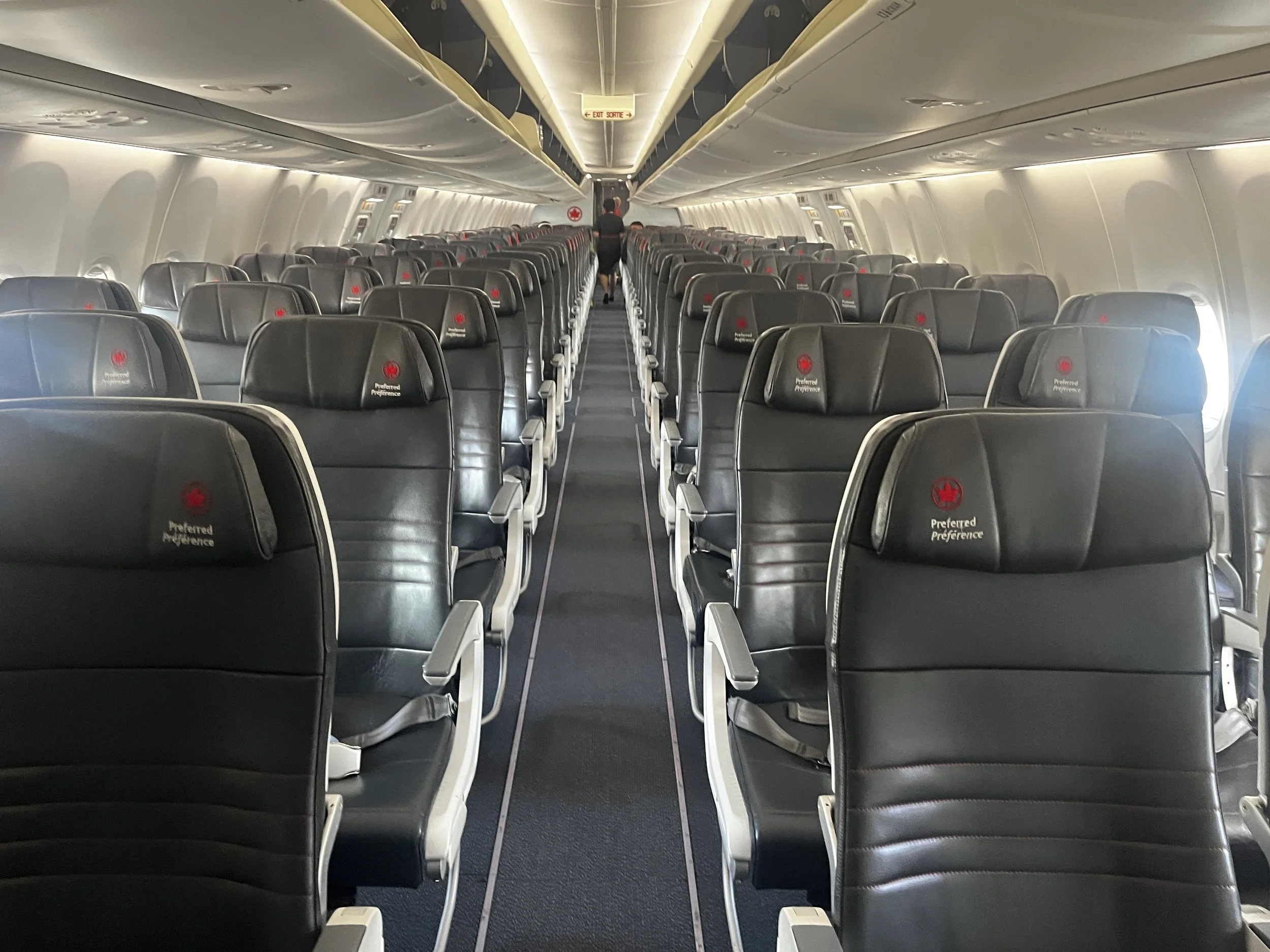
There’s a certain rhythm to travel days.
Early alarms. Waiting at gates. Hours in transit. The anticipation of arriving somewhere new.
But somewhere along the way, comfort tends to slip. What starts as a relaxed seat can turn into stiffness. A quick check of your phone becomes a hunched posture that lasts for hours. And by the time you arrive, your body often feels like it’s been working just as hard as your itinerary.
The reality is, long travel days put your body under a kind of stress we don’t always notice in the moment—but definitely feel later.
Why Long Travel Days Take a Toll on Your Body
It’s not just the duration—it’s the stillness.
Whether you’re seated on a plane, behind the wheel, or in a train carriage, your body is held in a fixed position for extended periods. Circulation slows, muscles tighten, and posture naturally starts to break down.
According to the Spine Health Foundation, prolonged sedentary behaviour can place sustained stress on the spine, contributing to stiffness and discomfort over time—especially when posture isn’t properly supported.
Seats—especially on planes—aren’t designed with long-term comfort in mind. Over time, your lower back loses support, your shoulders round forward, and your neck shifts out of alignment as you adjust to screens, armrests, or limited space.
Even if you’re generally active and healthy, these conditions can leave you feeling stiff, sore, and fatigued by the end of the day.
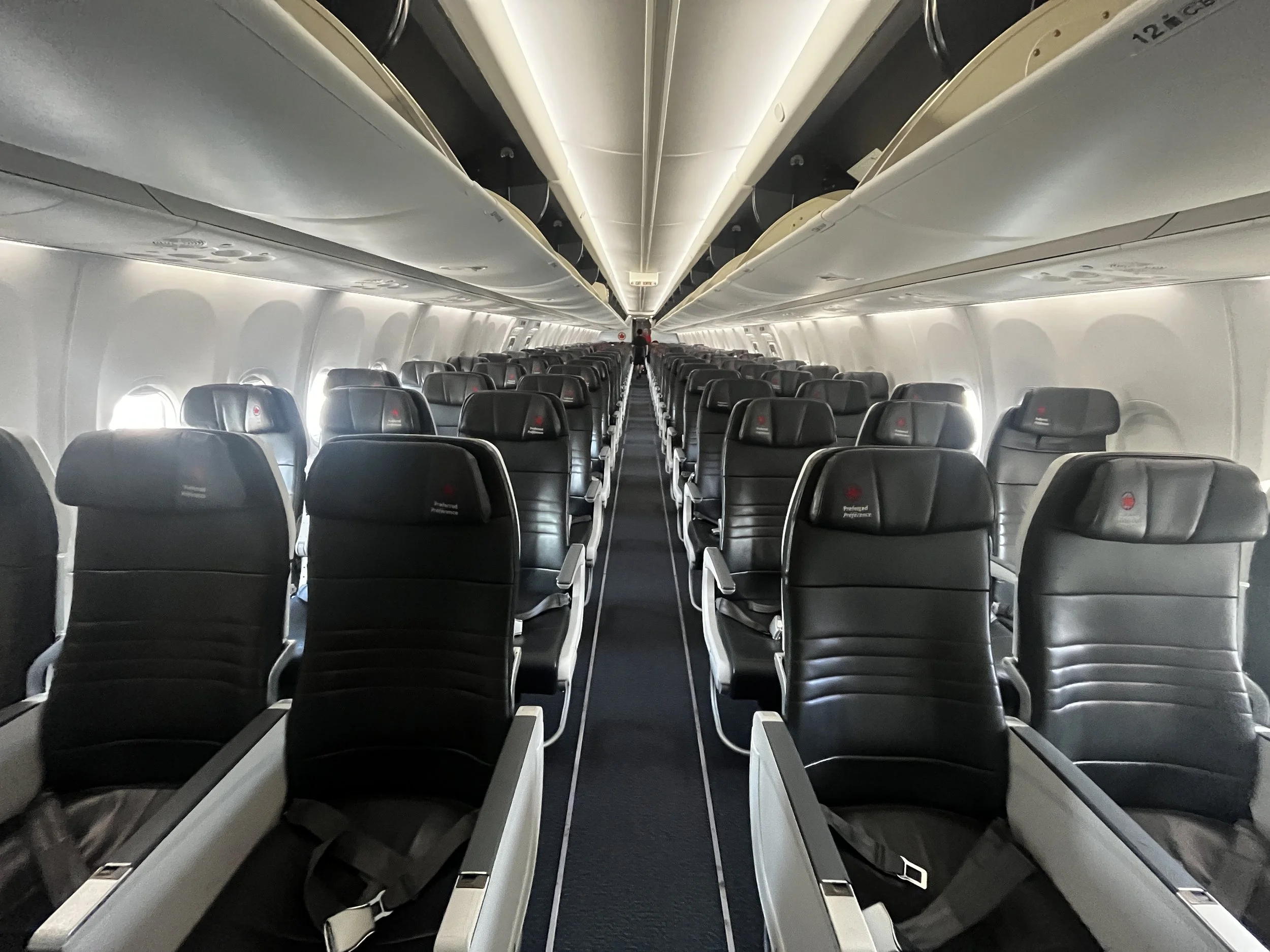
The Small Mistakes That Add Up
Most travel discomfort doesn’t come from one major issue—it’s the result of small habits that build over time.
Sitting in the same position for hours is one of the biggest contributors. It’s easy to settle in and stay there, especially on long flights or drives, but the lack of movement allows tension to settle into your muscles.
Posture is another common factor. Without thinking about it, many travellers end up slouching or leaning to one side. Crossing your legs, resting unevenly, or craning your neck toward a screen might feel comfortable in the moment, but over time, these positions create strain.
And then there’s the tendency to ignore early signs of discomfort. A slight ache or tightness is often easy to brush off—until it isn’t.
Setting Yourself Up Before You Leave
Comfort doesn’t start when you sit down—it starts with how you prepare.
If you have the option, choosing a seat with a bit more space can make a noticeable difference. Aisle seats, for example, make it easier to stand and move during a flight. On trains, access to open space or walkways can help break up long periods of sitting.
Comfort also extends beyond the journey itself. Travellers who think ahead about how they’ll move, rest, and recover throughout the day—both in transit and once they arrive—tend to feel the difference, especially when adjusting to new environments or long stretches on their feet.
Packing a few small items can also go a long way:
A neck pillow for better head support
A rolled towel or compact lumbar cushion
Comfortable, non-restrictive clothing
A refillable water bottle
These aren’t luxuries—they’re simple tools that help your body stay in a more natural position for longer.
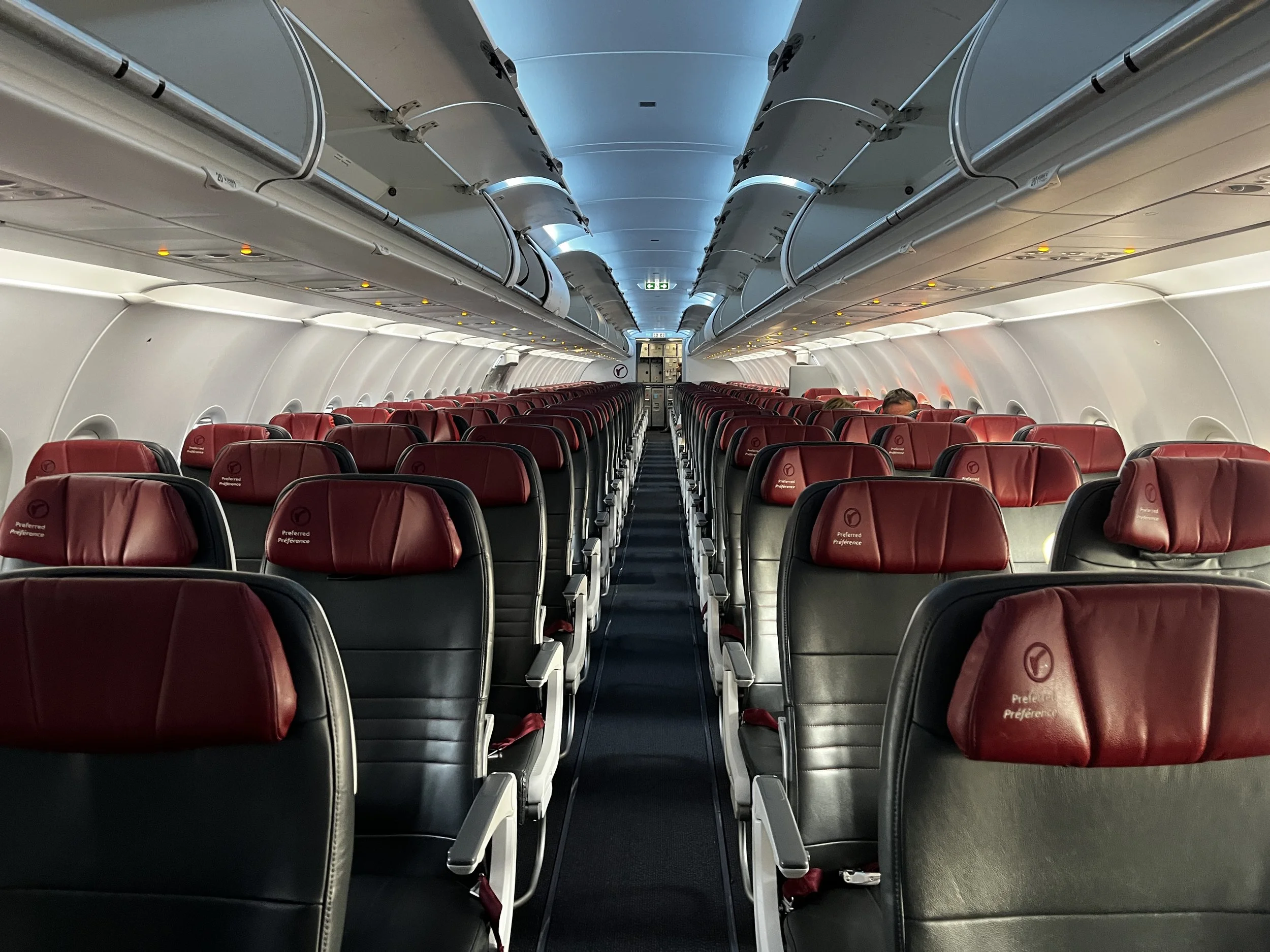
Posture Matters More Than You Think
One of the biggest differences between arriving sore and arriving comfortable often comes down to posture.
Keeping your feet flat on the ground, your hips evenly balanced, and your lower back supported helps maintain a more neutral spine. Your shoulders should feel relaxed—not rounded forward—and your head should stay aligned rather than constantly tilted down toward a phone.
It sounds simple, but maintaining this position—even loosely—reduces the strain that builds over time.
What many people don’t realize is that discomfort from travel isn’t usually caused by a single long day—it’s the result of small posture habits repeated over and over. Hours of sitting without proper support can gradually shift how your body holds tension, especially through the lower back, shoulders, and neck.
In other words, the way you sit during travel doesn’t just affect how you feel when you arrive—it can influence how your body moves long after the trip is over.
Movement Is Your Best Tool
If there’s one habit that makes the biggest difference during long travel days, it’s movement.
You don’t need a full stretch routine or a dedicated space—just small, regular adjustments.
Every 30 to 60 minutes, try to:
Shift your position
Roll your shoulders
Rotate your ankles
Gently twist your torso
If you’re on a plane or train, take advantage of opportunities to stand or walk, even briefly. On road trips, build in short stops where you can step out and reset.
Movement helps restore circulation, reduce stiffness, and prevent tension from settling in.
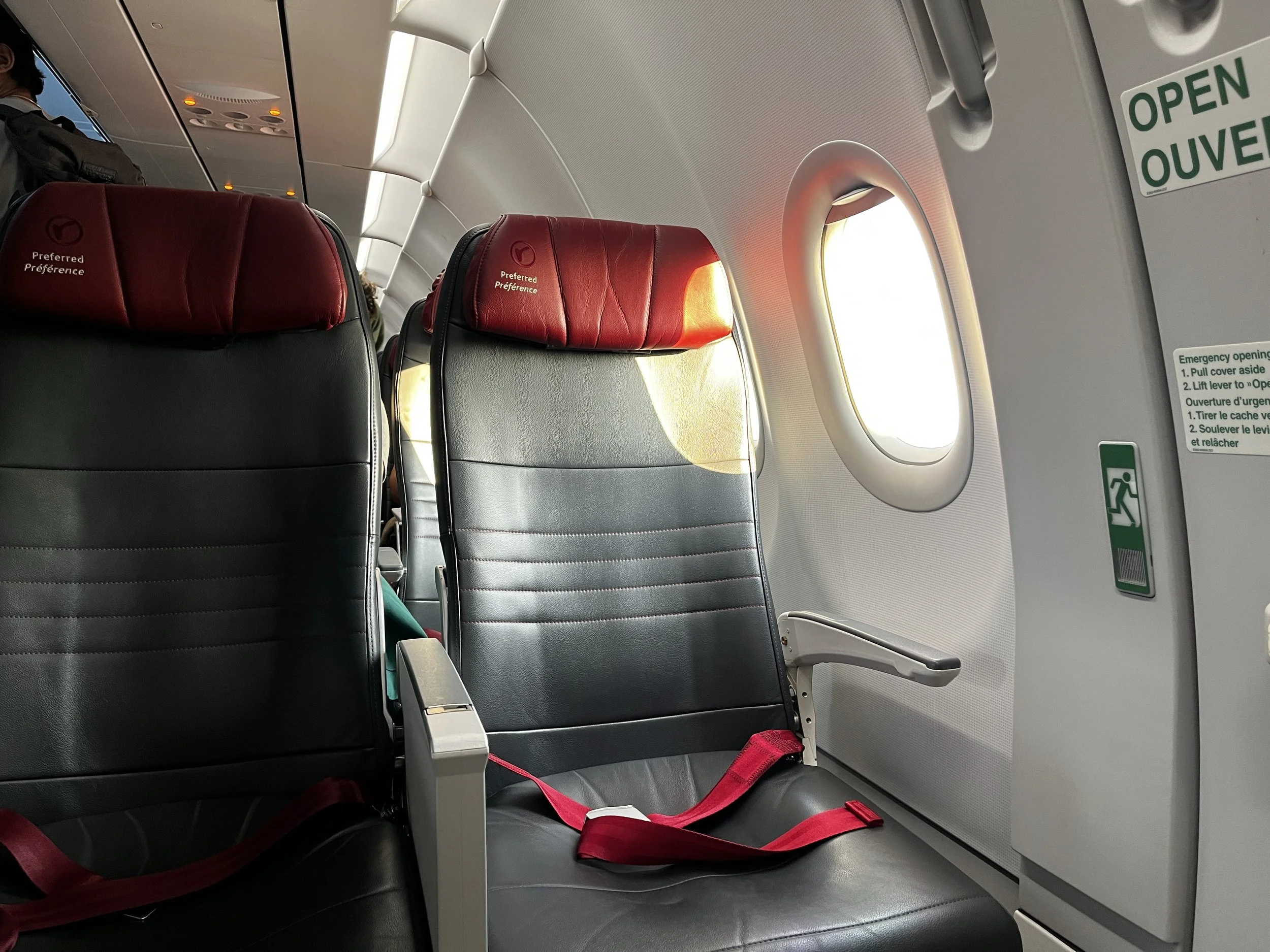
Simple Stretches That Actually Help
You don’t need to turn the aisle into a yoga studio. A few subtle movements can go a long way.
Try:
Gentle neck tilts side to side
Shoulder rolls forward and back
Straightening one leg at a time to stretch your hamstrings
Standing hip stretches during breaks
The key is consistency, not intensity. Small movements, done regularly, are far more effective than waiting until you’re already uncomfortable.
Don’t Overlook Hydration and Fatigue
Comfort isn’t just physical positioning—it’s also internal.
Dehydration can contribute to muscle tightness and fatigue, especially during flights where cabin air is dry. Drinking water regularly helps keep your body functioning the way it should.
Fatigue also plays a role. The more tired you are, the more likely you are to slump, shift into awkward positions, or stop paying attention to how you’re sitting altogether.
In other words, staying comfortable is as much about maintaining energy as it is about posture.
Resetting After You Arrive
What you do after your travel day matters just as much as what you do during it.
Instead of immediately collapsing into bed, try to give your body a chance to reset:
Take a short walk
Do a few light stretches
Move through your space rather than staying still
This helps your body transition out of that prolonged sitting position and reduces the chance that stiffness will linger into the next day.
When Discomfort Starts to Stick Around
Occasional stiffness after a long trip is normal.
But if you find that discomfort is becoming a pattern—lasting longer, happening more often, or showing up even on shorter trips—it’s usually a sign that something isn’t quite right in how your body is handling those conditions.
At that point, it often makes sense to look a little deeper. Getting a better understanding of how your posture, movement, and alignment are contributing to that discomfort—whether through your own awareness or by seeking out chiropractic care and physiotherapy support—can help address the root cause rather than just managing the symptoms.
Addressing it early tends to be much easier than letting it build over time.
Travel Should Feel Better Than This
Long travel days are part of the experience—but discomfort doesn’t have to be.
With a bit of awareness and a few simple adjustments, you can significantly reduce how much strain your body takes on during the journey. And when you arrive feeling better, everything that follows—exploring, relaxing, enjoying your destination—becomes that much easier.
Because the goal isn’t just to get there.
It’s to arrive ready.