
Road Trip Rides: 2026 Hyundai Kona
Published May 11th, 2026
Word and photos by Jay Kana
Subscribe to the Modern Traveller Newsletter to get terrific travel articles like this one straight to your inbox!
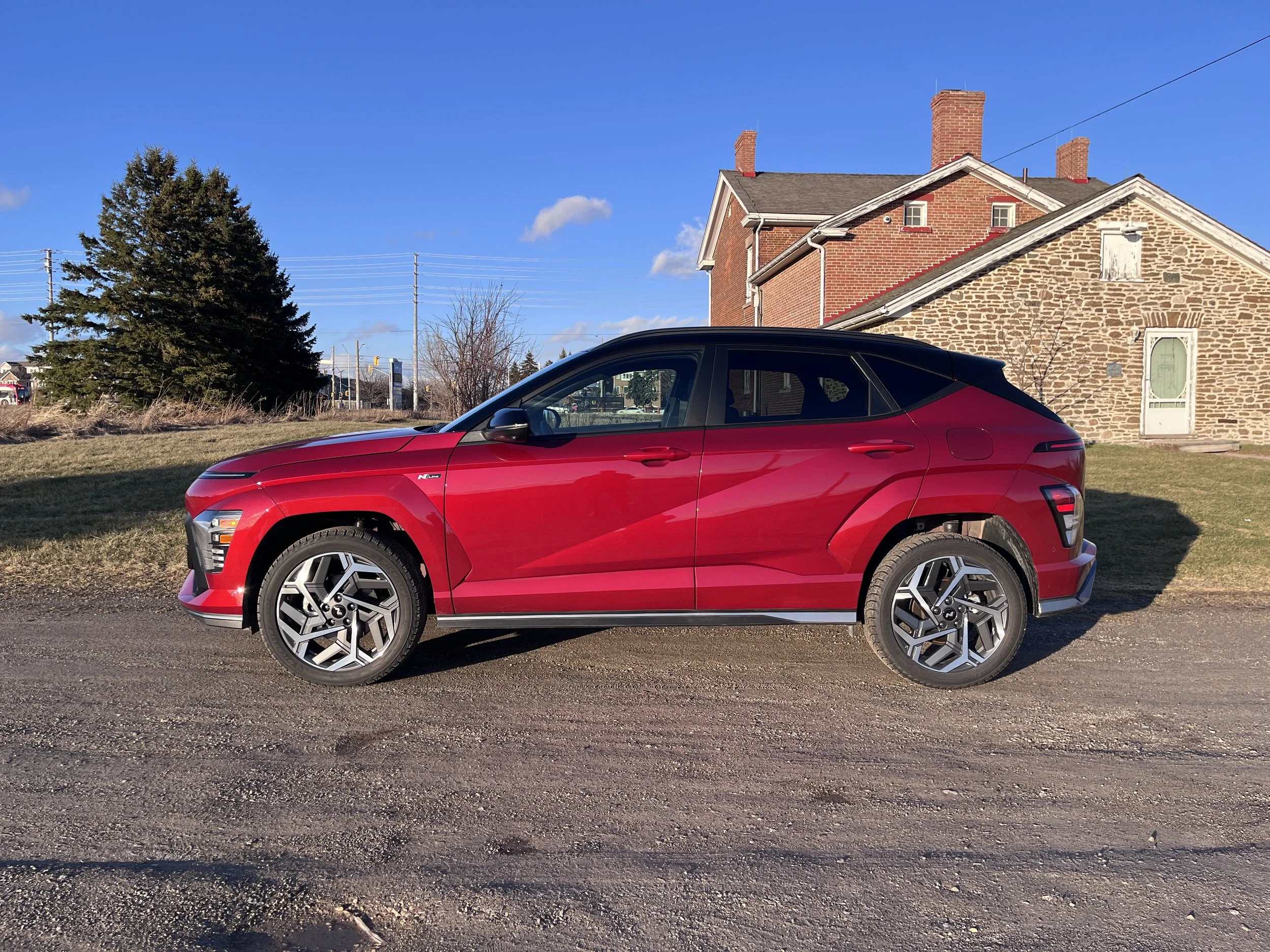
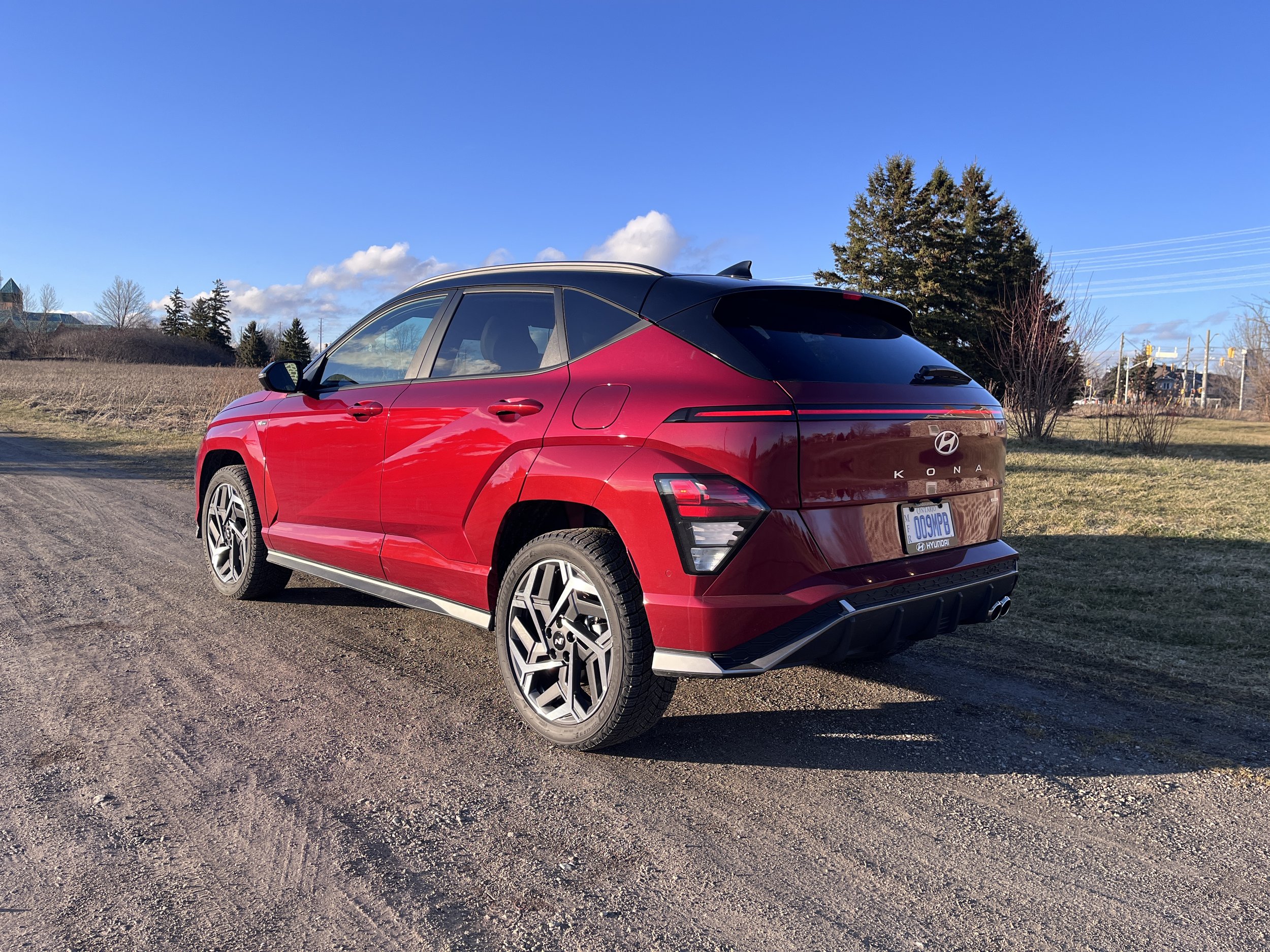
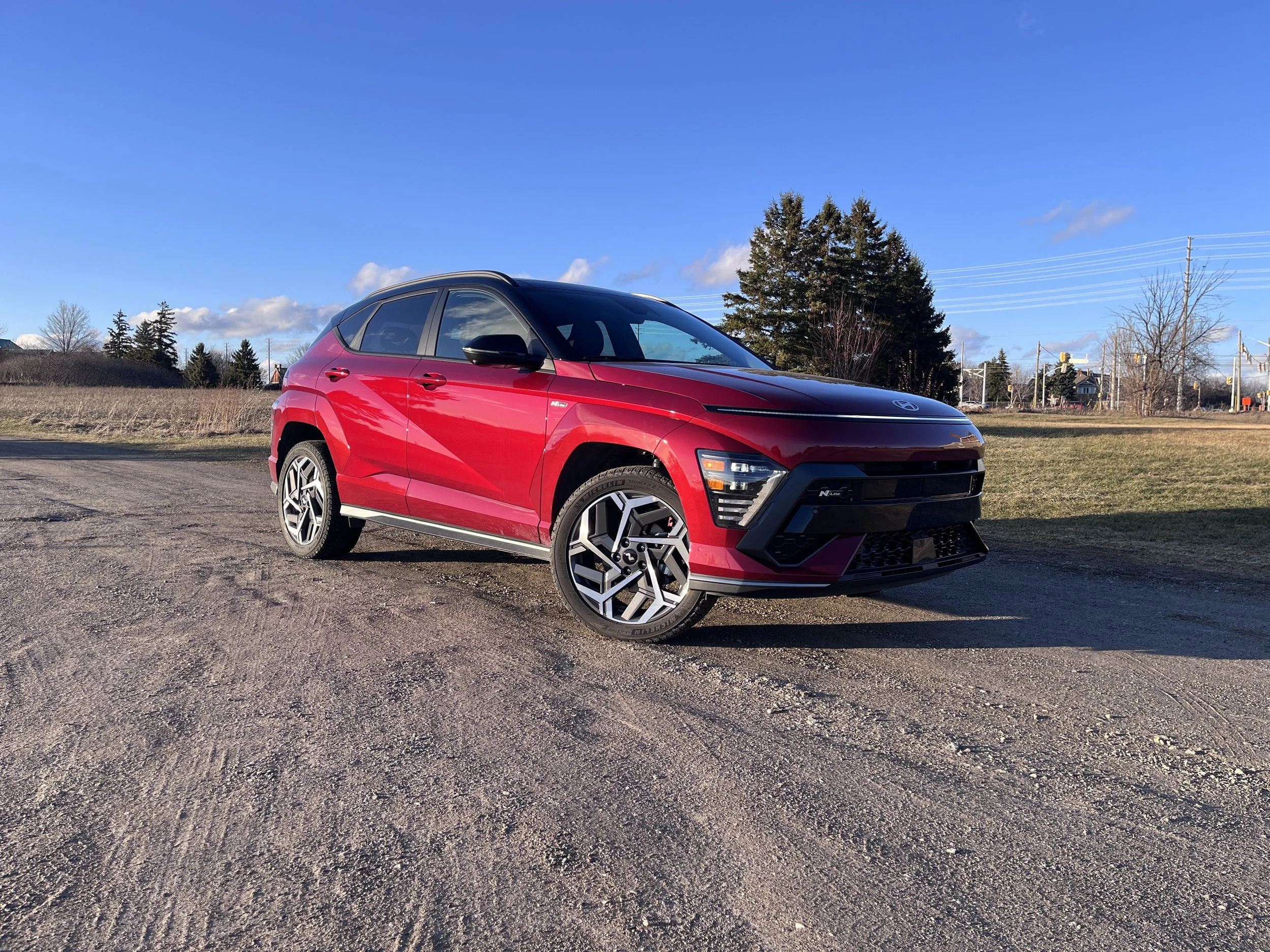
For those who prefer a smaller chariot for their road trip, the 2026 Hyundai Kona subcompact crossover is an excellent choice.
In 2025, it accounted for 18.4% of all Hyundai Canada sales and between 2024 and 2025, sales were up an impressive 29%, showing that there’s rising popularity of small cars.
There are two engine options, a healthy amount of cargo space and plenty of standard technology.
Competitors in this segment include the Toyota Corolla Cross, Subaru Crosstrek, Mazda CX-30, Kia Seltos, Nissan Kicks, Volkswagen Taos, Honda HR-V and others.
Key Info
Body type: Subcompact crossover
Engine: Two-litre four-cylinder, 147 horsepower & 132 lb-ft. of torque, continuous variable transmission
Or a 1.6-litre turbocharged four-cylinder, 190 horsepower & 195 lb-ft. of torque, eight-speed automatic
Drive type: All-wheel drive
Fuel economy: 8.6 litres per 100/km combined non-turbo; 9 litres per 100/km combined turbo engine
Fuel tank size: 47 litres non-turbo, 50 litres turbo
Total range: Up to 626 km
Cargo space: 723 litres
Towing capacity: N/A
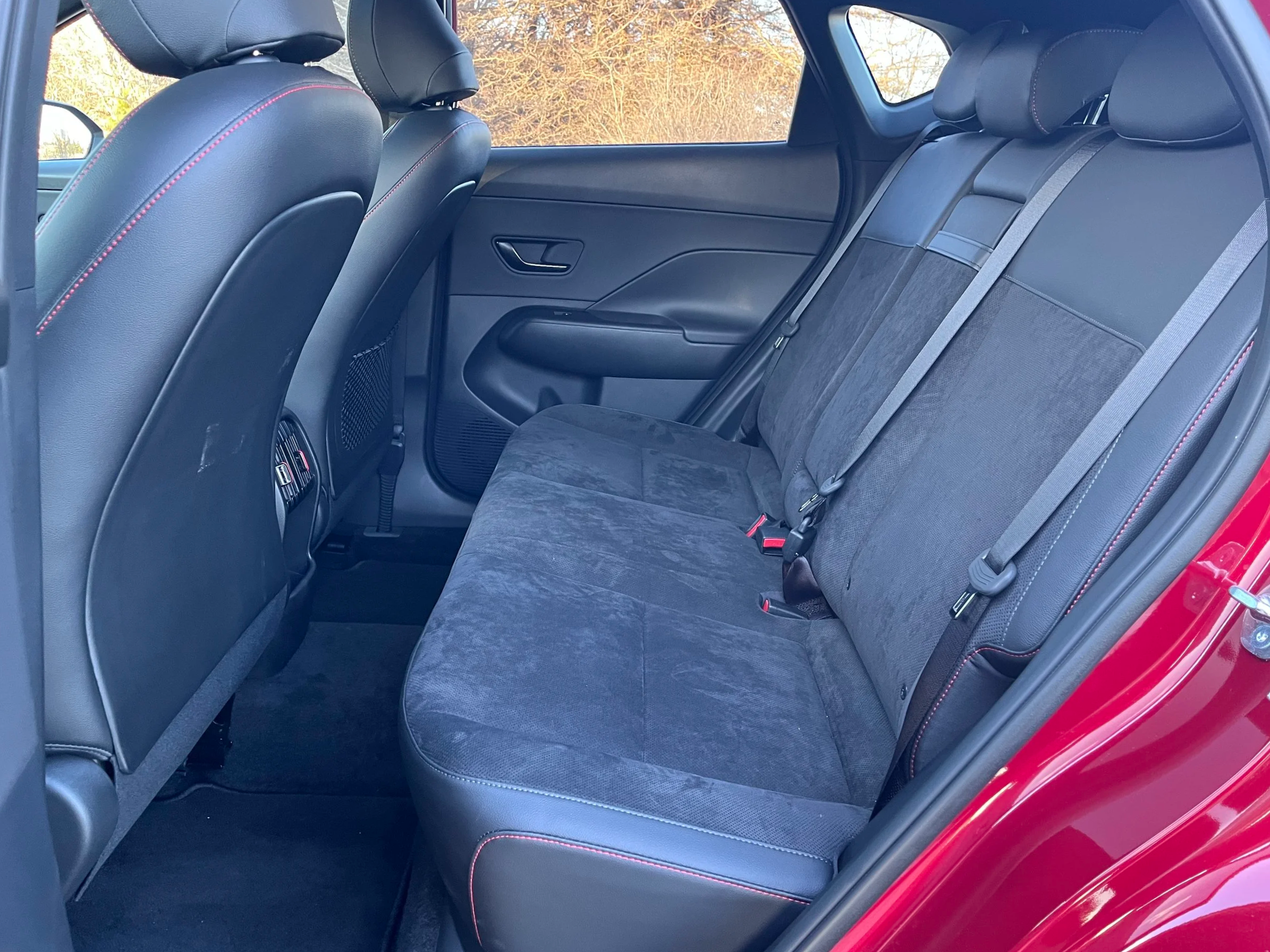
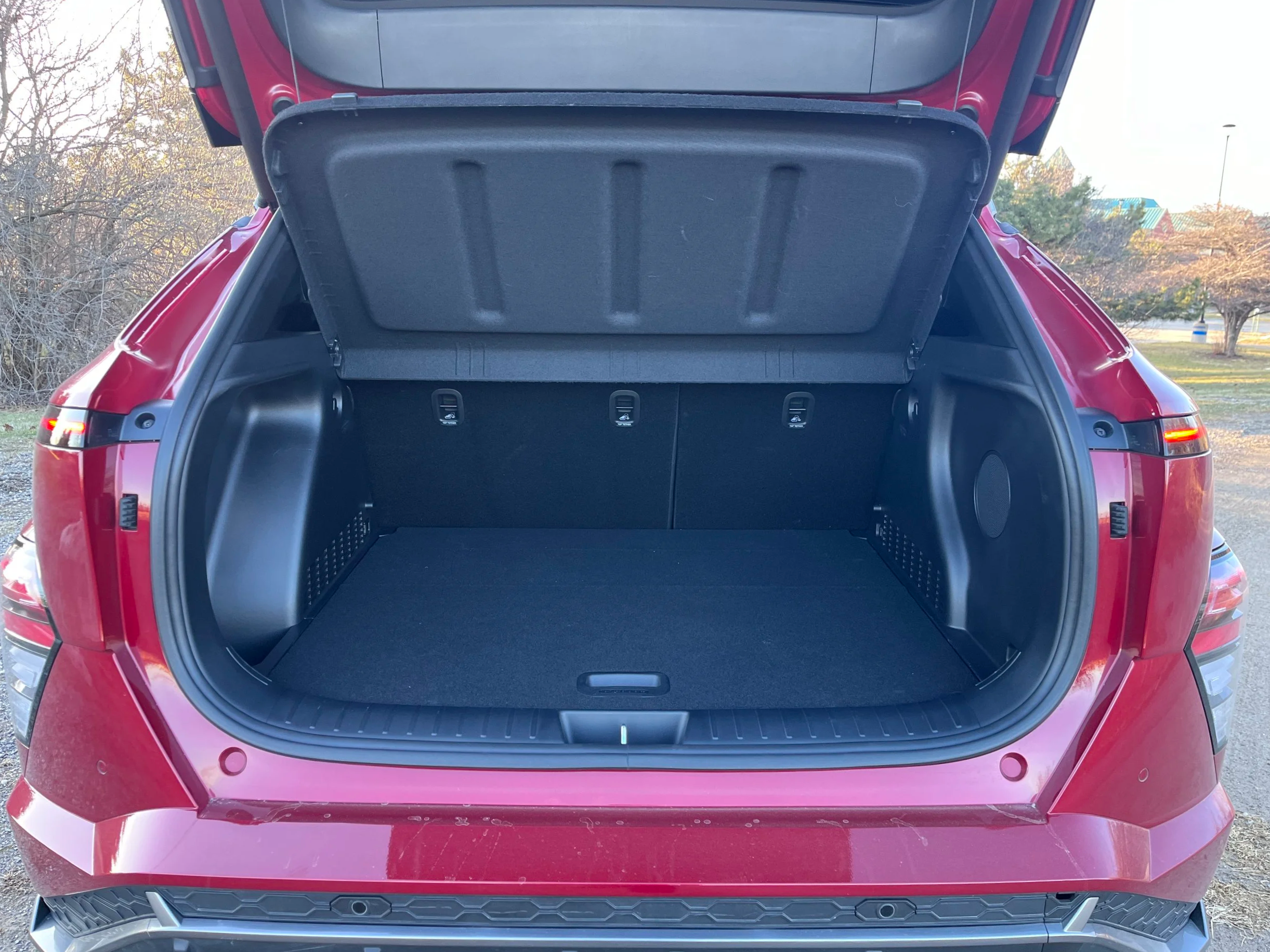
Starting in the rear, the over 700 litres of cargo space makes it easy to keep the rear seat for people opposed to stuff and things. The Kona boasts one of the highest amounts of cargo space, with the Nissan Kicks being the highest at a whopping 849.5 litres.
The rear seats themselves are fairly comfortable for longer drives, with generous leg, knee and head room. The rear of the front seats are scooped in for additional knee space, a nice touch on the comfort side.
Smartly, Hyundai has two engine options here and I’ve driven both.
The non-turbo engine is for those who want a function-first vehicle. It still gets the job done, albeit with slower acceleration and fewer bells and whistles. You’ll save 0.4 L/100 km with this engine versus the turbo.
The higher-output turbo engine is for those who want a livelier drive experience with brisk accelaration and an athletic feel.
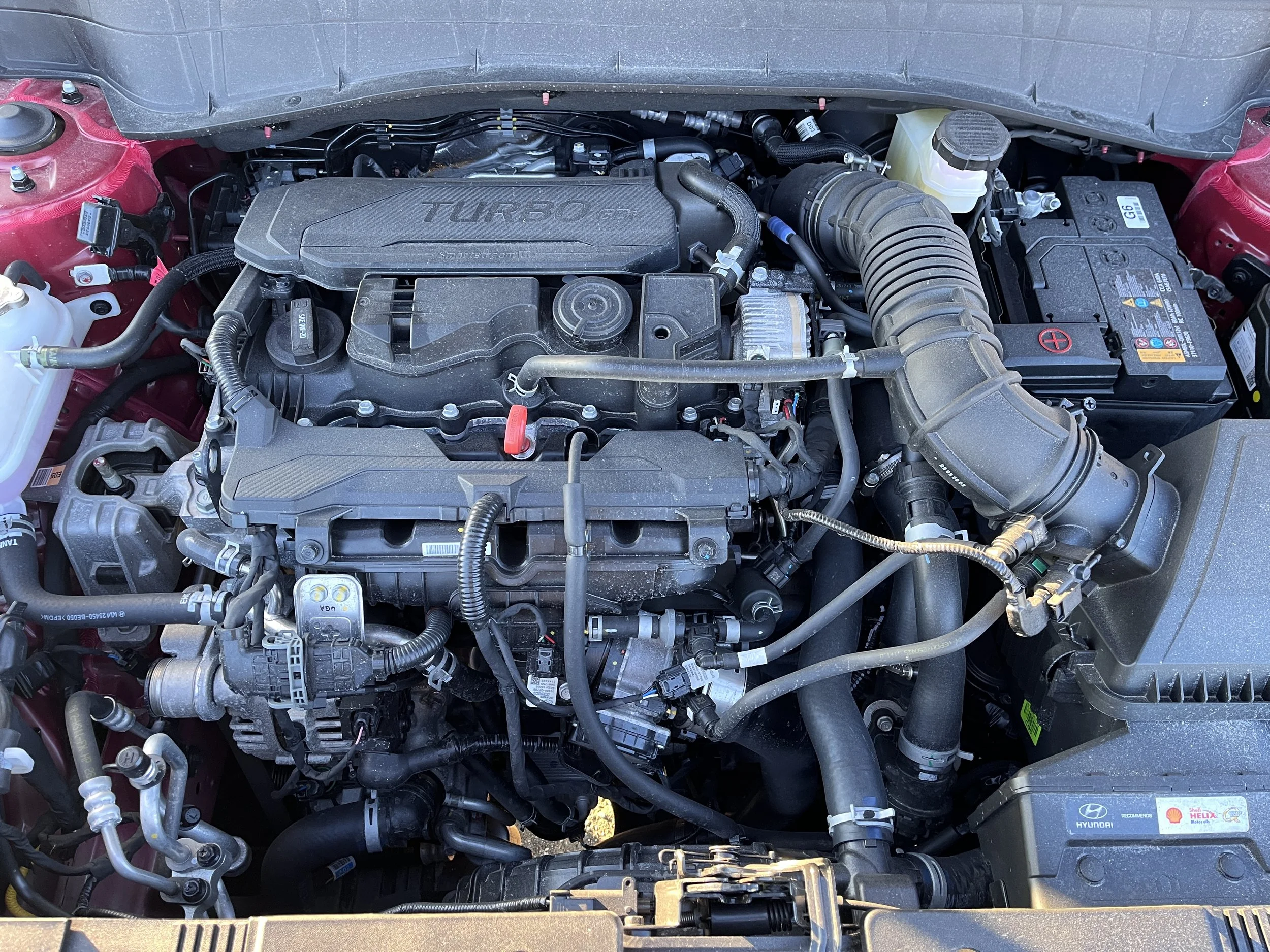
Given its small size and regardless of engine choice, the Kona is extremely agile, easy to drive and park and doesn’t feel as small inside as some competitors.
There is, however, a substantial price increase of $7,450 MSRP to get the turbo engine.
There’s no hybrid/plug-in hybrid option but there is an all-electric option, which is an interesting move.
Look to the Toyota Corolla Cross or Subaru Crosstrek if you want a hybrid in this class.
Standard safety highlights include lane-follow assist, lane-keep assist, blind spot monitoring, rear cross-traffic alert and forward-collision alert.
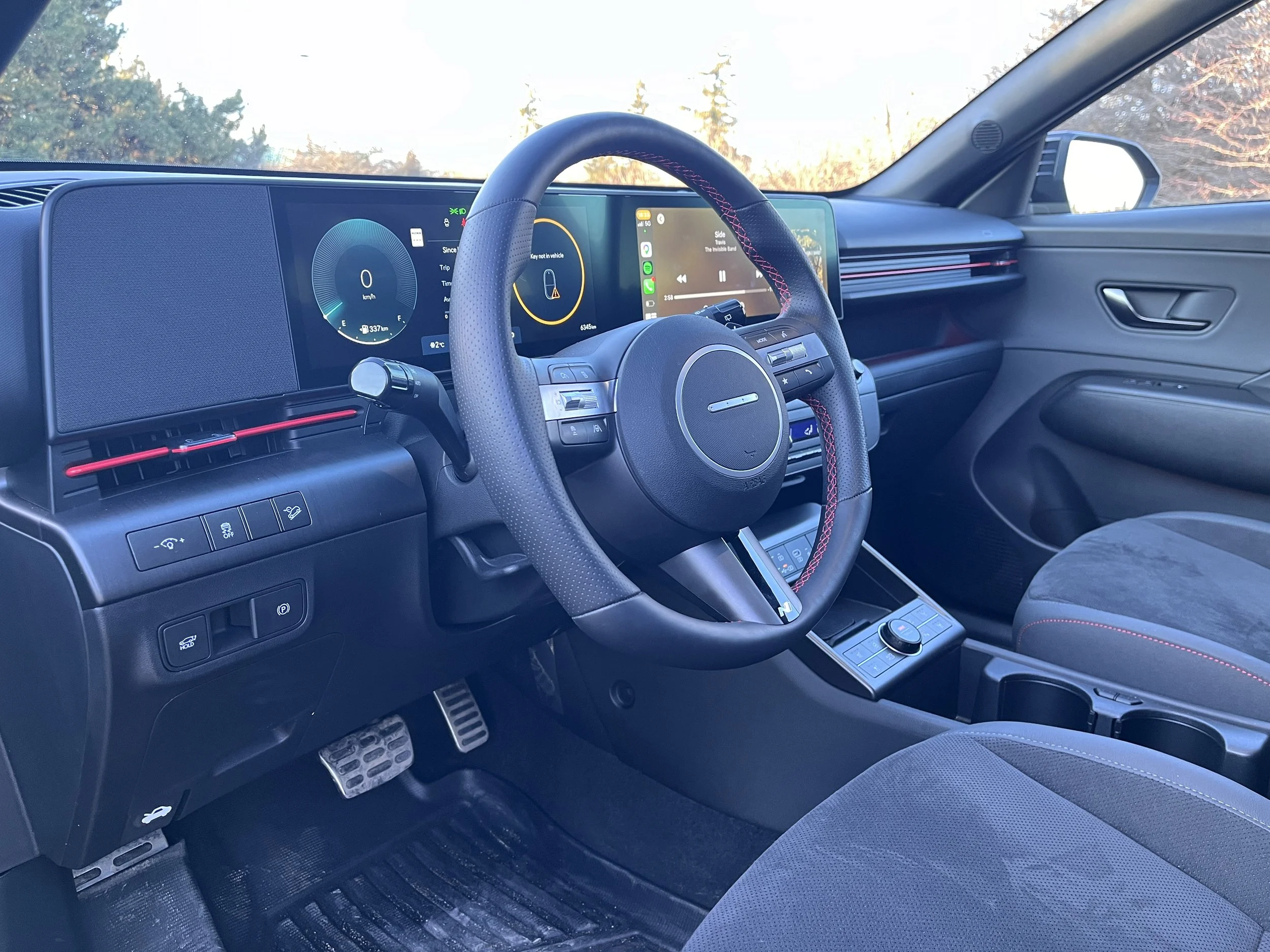
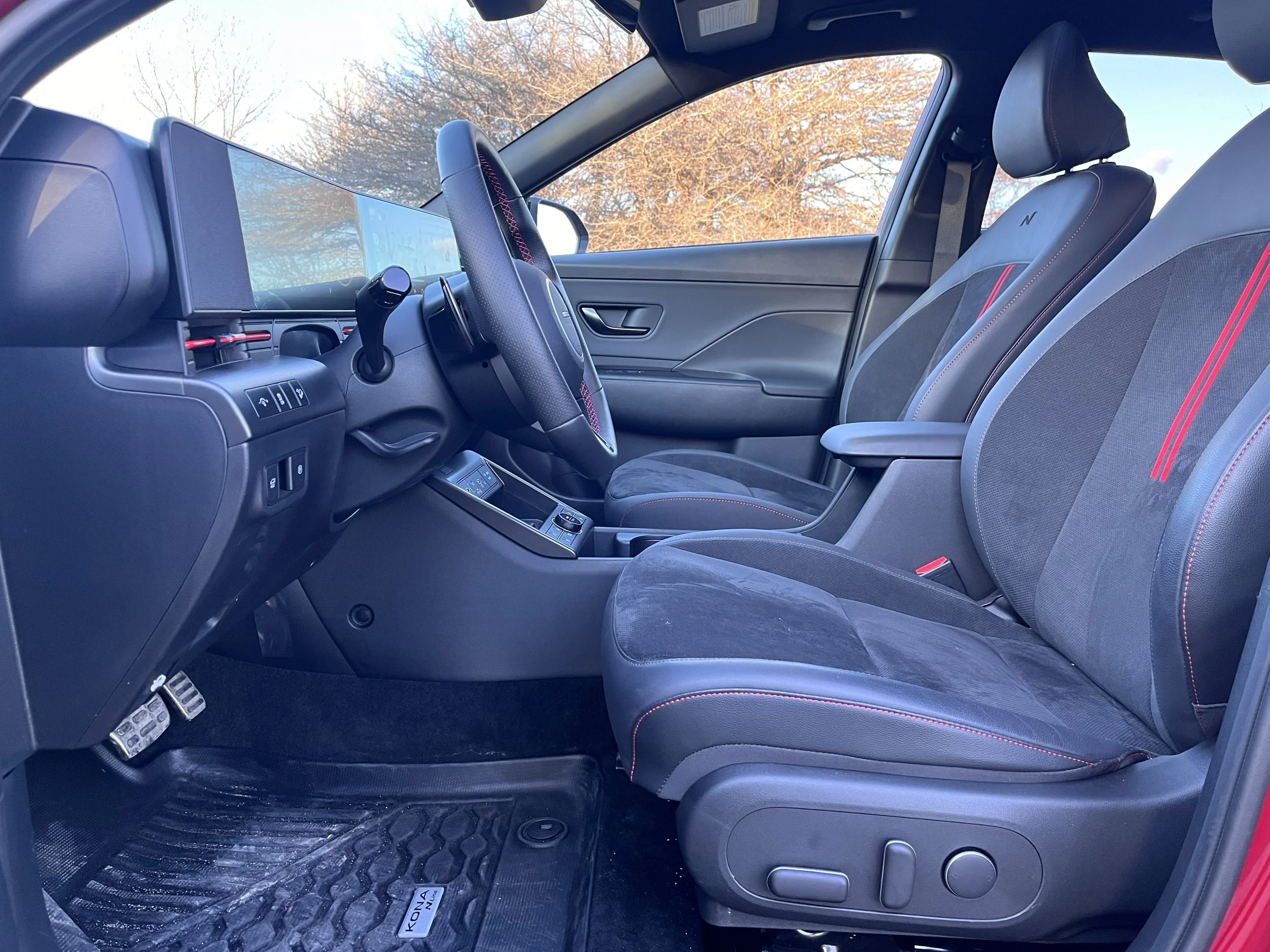
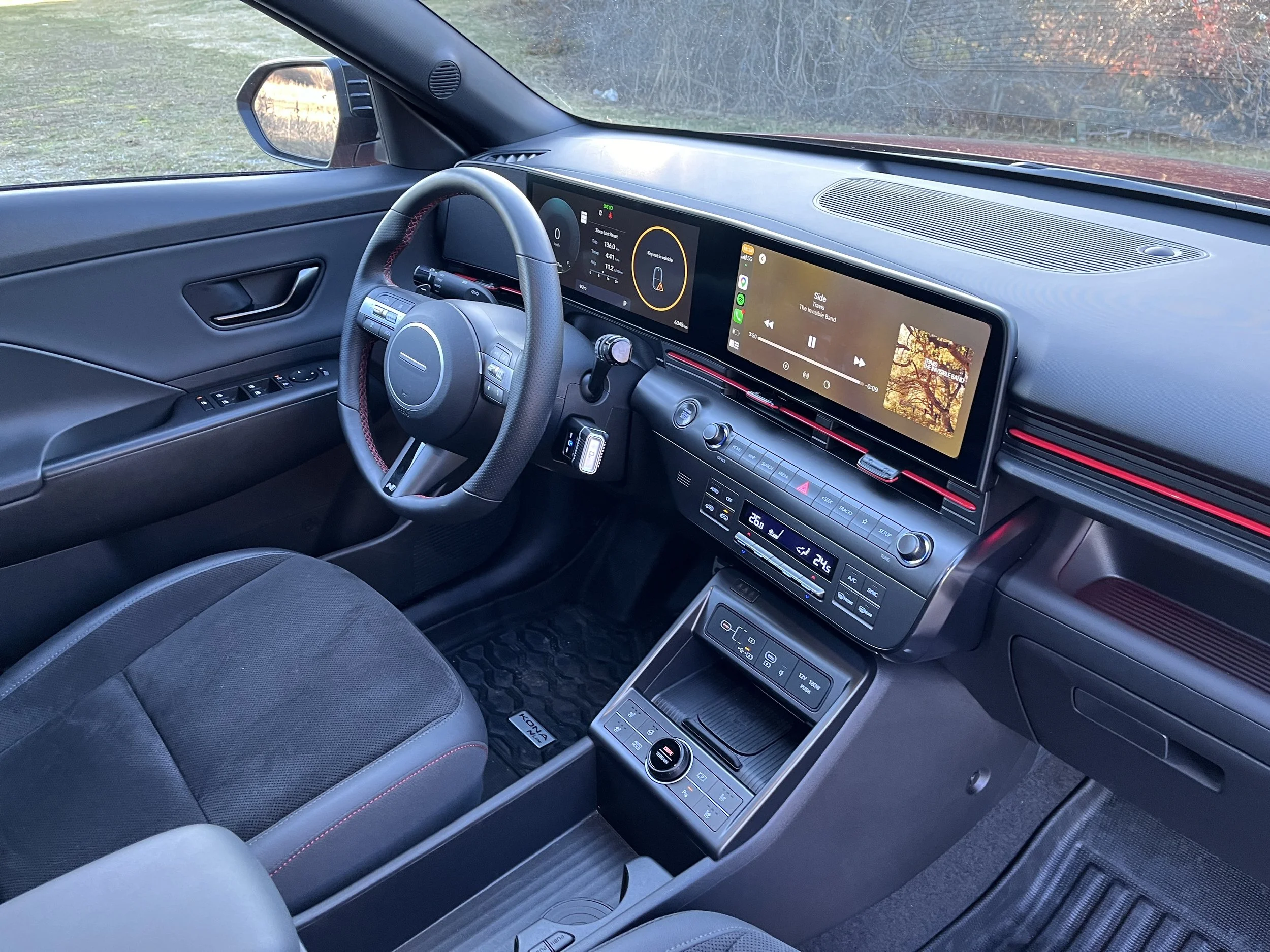
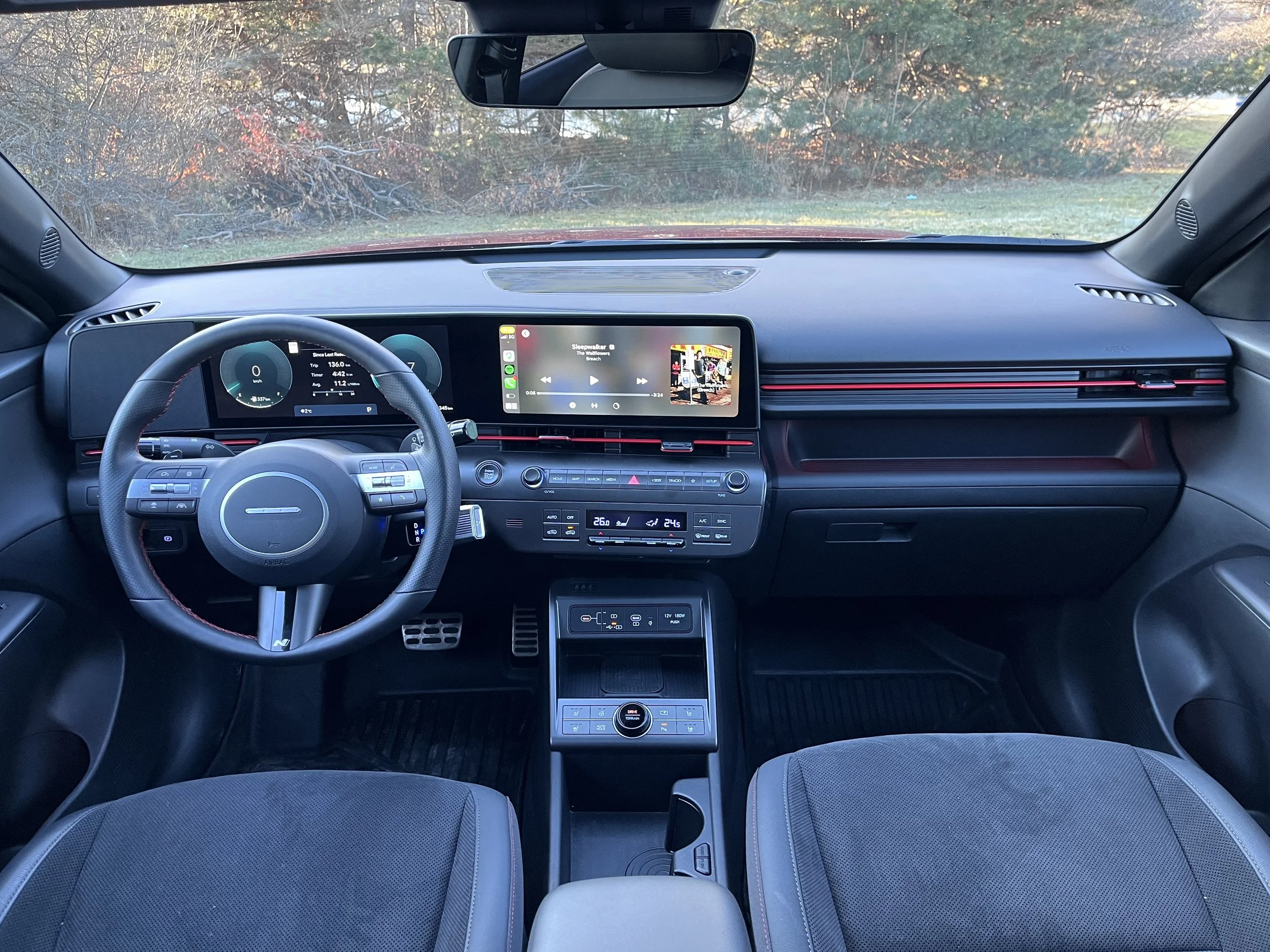
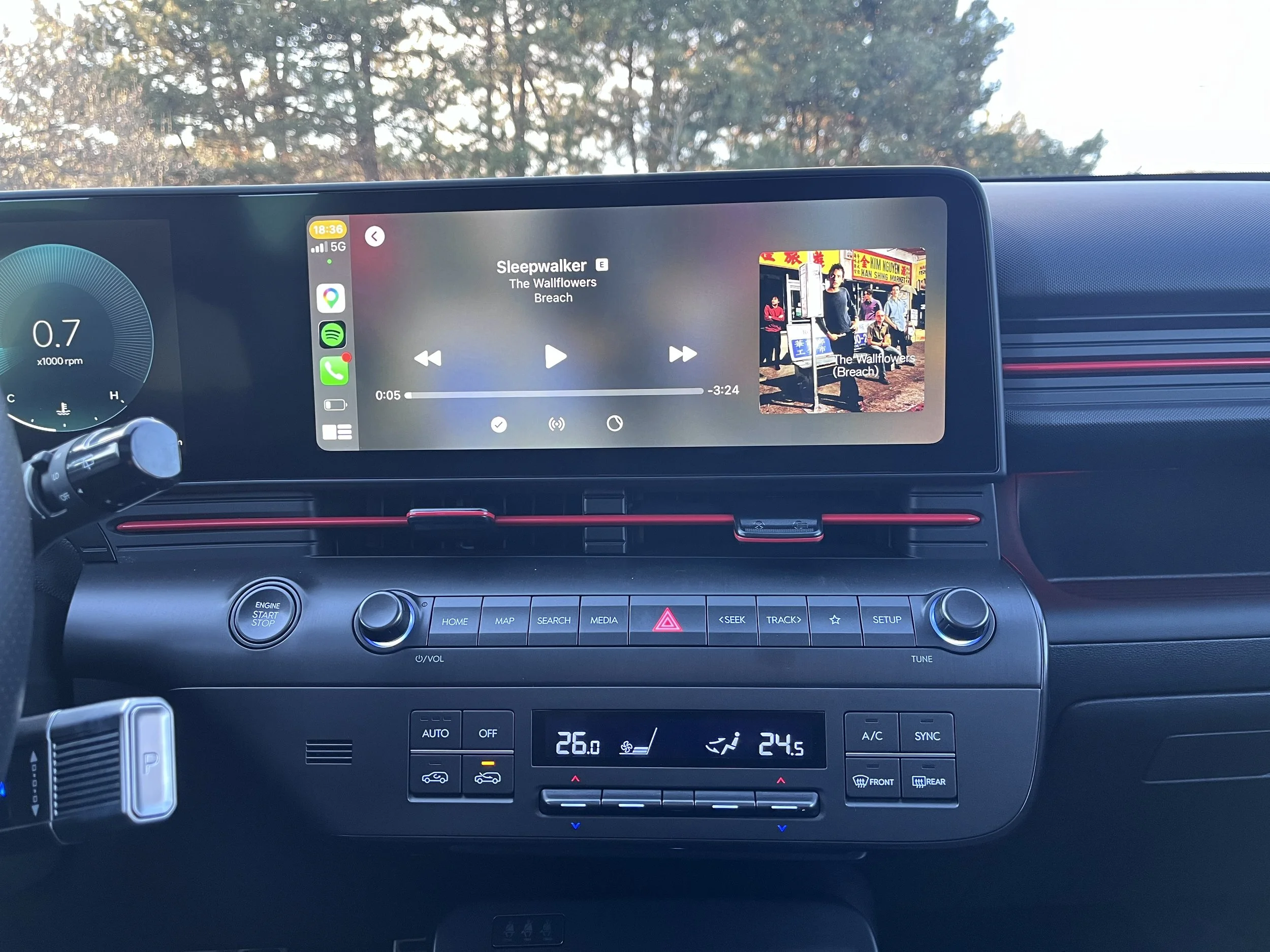
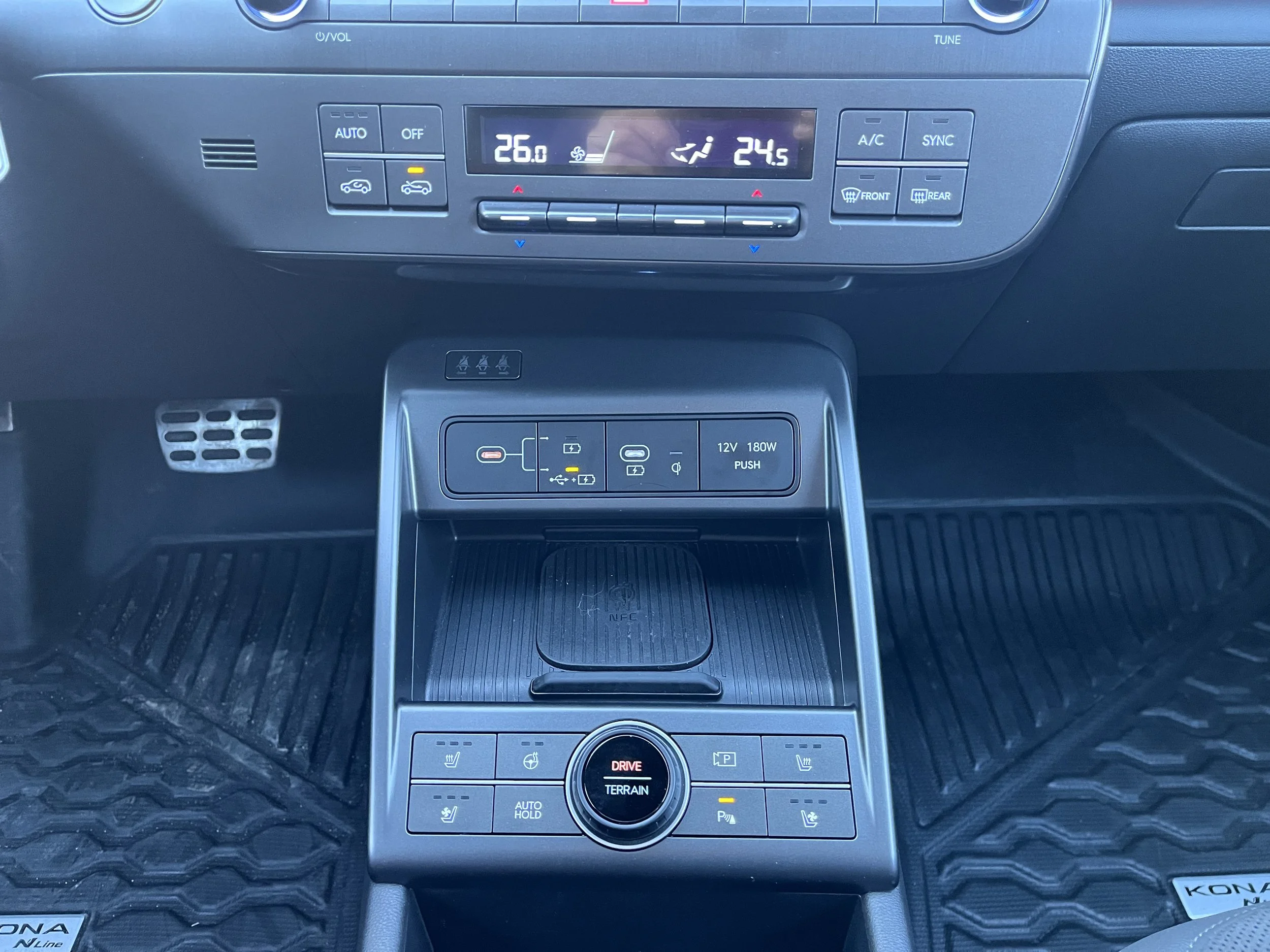
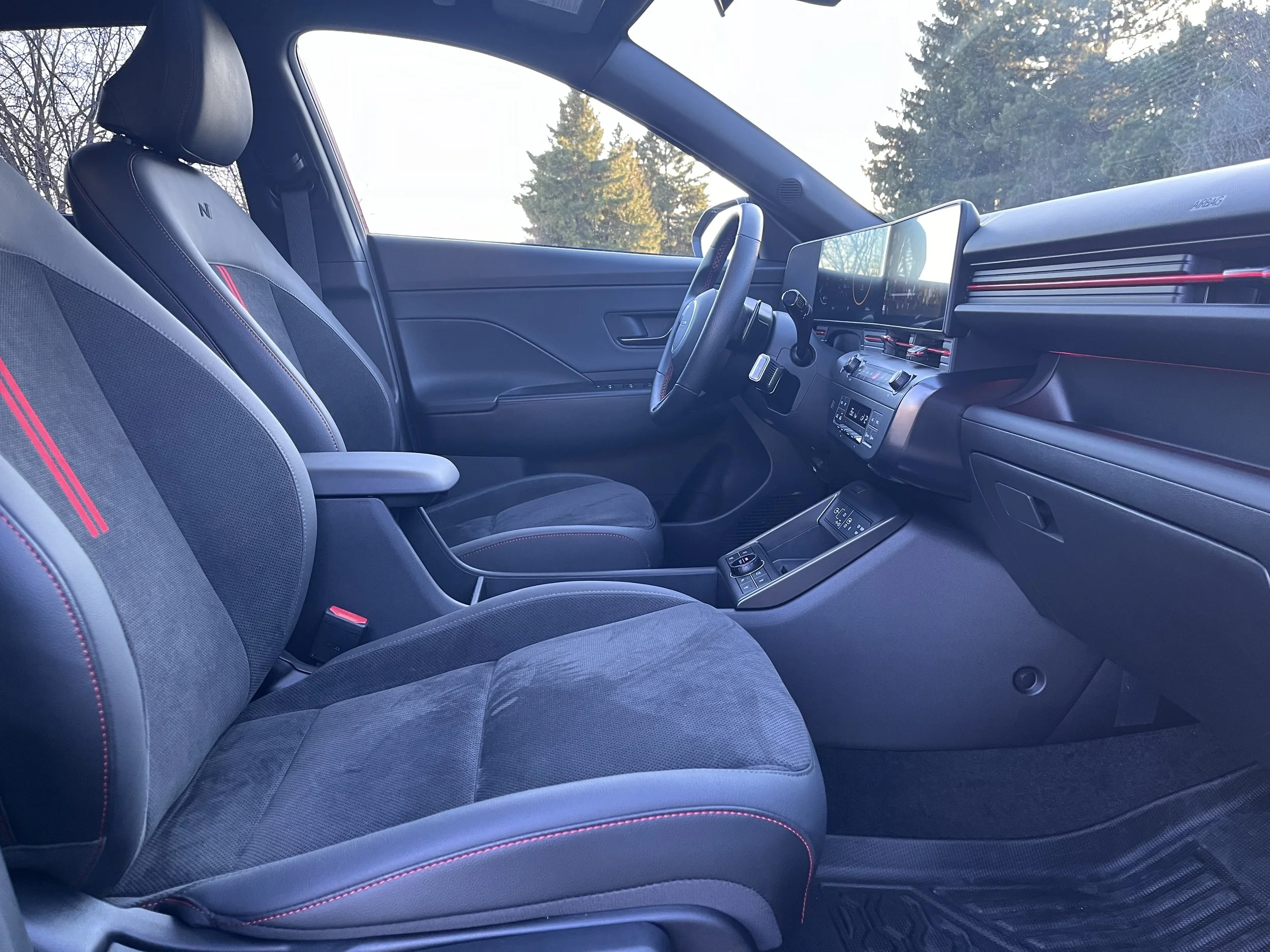
Inside, the Kona’s standard 12.3-inch infotainment screen features wireless Apple CarPlay and Android Auto, ample storage space in the centre console courtesy of the retractable cupholders, physical climate controls and an overall smart design.
There’s even a small shelf in front of the passenger seat for less clutter.
A remote engine starter and heated front seats come standard as well.
The seats are quite comfortable for the class of vehicle and the steering wheel controls are very user friendly.
Hyundai does tech quite well and that continues here with the very responsive standard 12.3-inch infotainment screen and the digital instrument cluster.
If your road trip ride needs to be small yet spacious, the Hyundai Kona is an excellent choice.
3 Perks
Plenty of cargo space
Sensibly designed cabin with lots of standard features
Two engine options
3 Irks
Expensive to get the turbo engine
No hybrid version available
Unique styling might be off-putting