
Road Trip Rides: 2026 Mazda CX-5
Words and photos by Jay Kana | Published June 21st, 2026
Subscribe to the Modern Traveller Newsletter to get terrific travel articles like this one straight to your inbox!
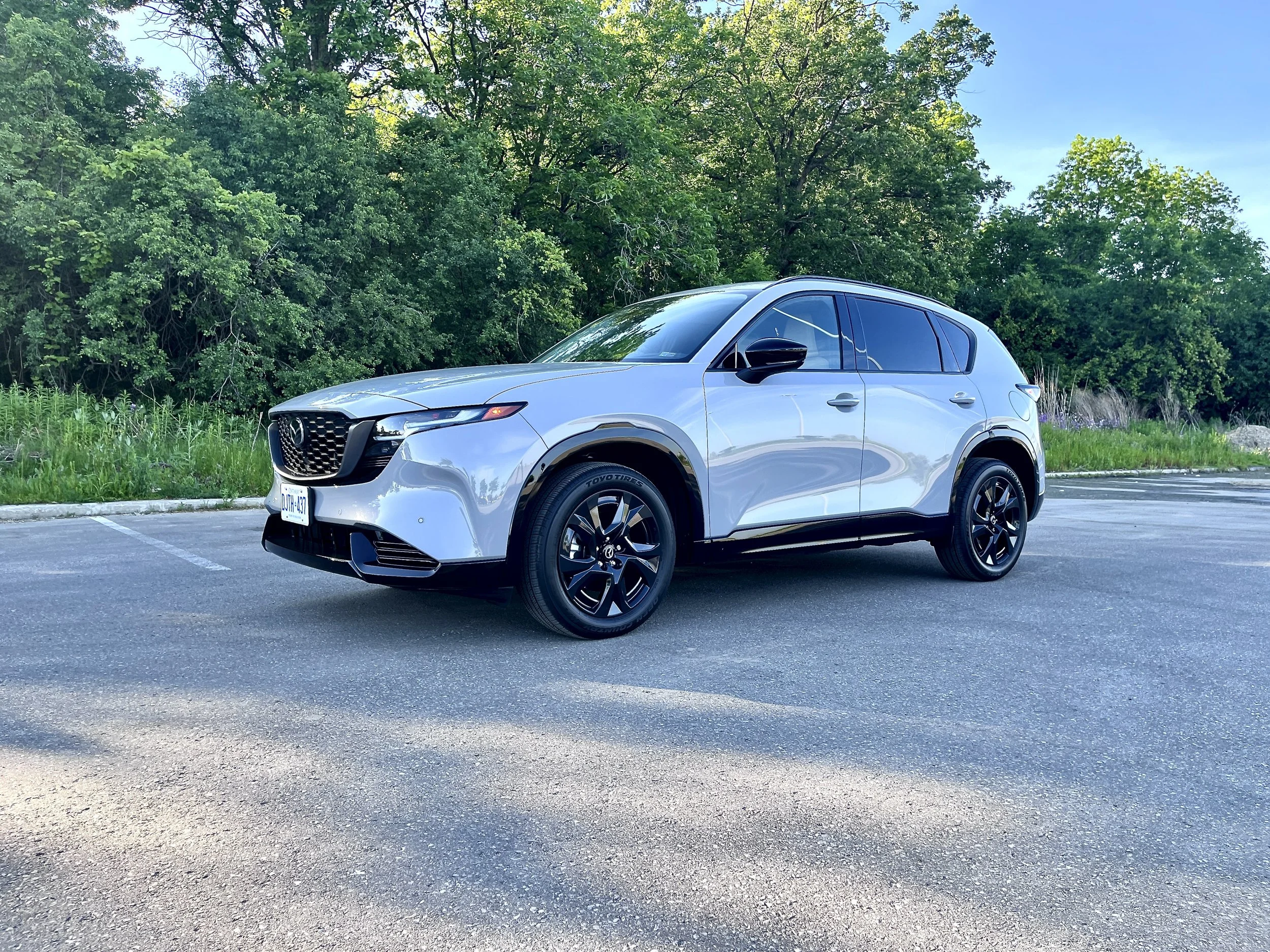
The 2026 new generation of Mazda CX-5 compact crossover.
Mazda’s most popular offering sees a new generation for 2026 and it’s mostly all-new.
The compact crossover keeps its upscale interior, minimalist exterior and the largest change comes via the absence of physical buttons and a large infotainment screen.
The compact crossover segment is one of the most popular in Canada, with the Toyota RAV4, Nissan Rogue, Lexus NX, Mitsubishi Outlander and others occupying the space.
Key Info
Body type: Compact crossover
Engine: 2.5-litre four-cylinder, 187 horsepower, 186 lb-ft. torque, six-speed automatic, all-wheel drive
Fuel economy: Nine litres per 100/km combined
Fuel tank size: 58 litres
Total range: 644 km per full tank of 87 octane
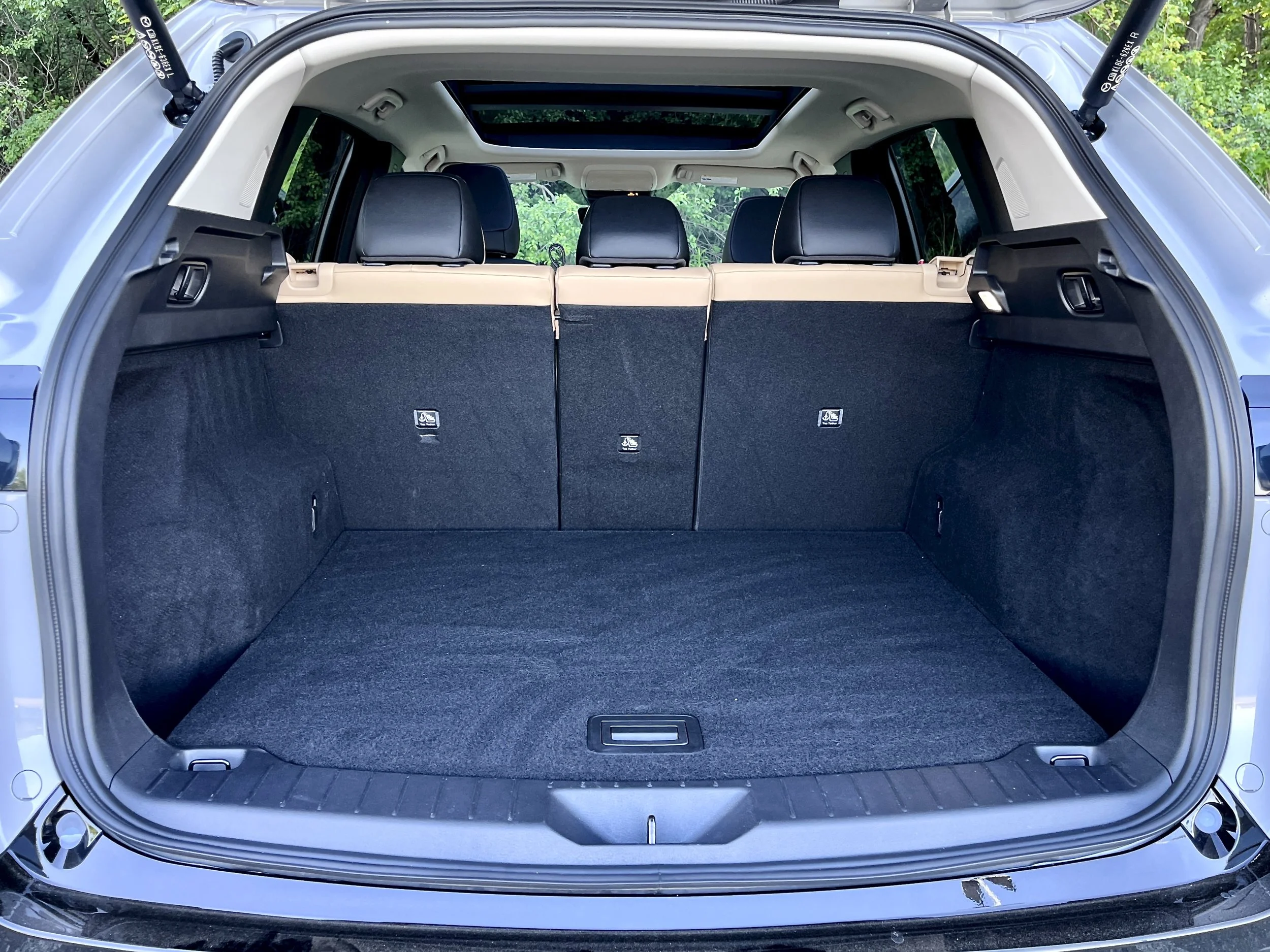
Cargo space: 954 litres
Towing capacity: Up to 2,000 pounds when properly equipped
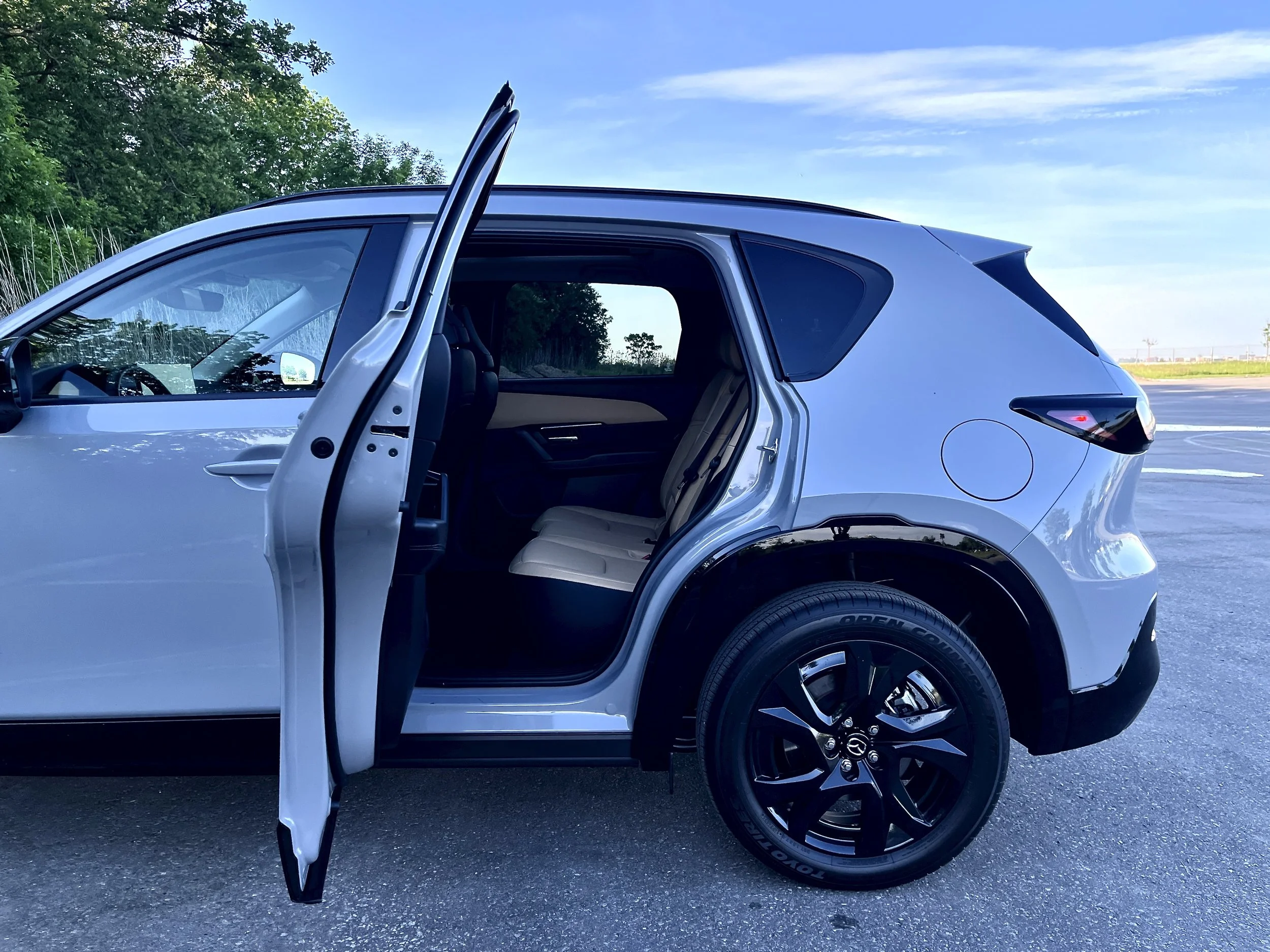
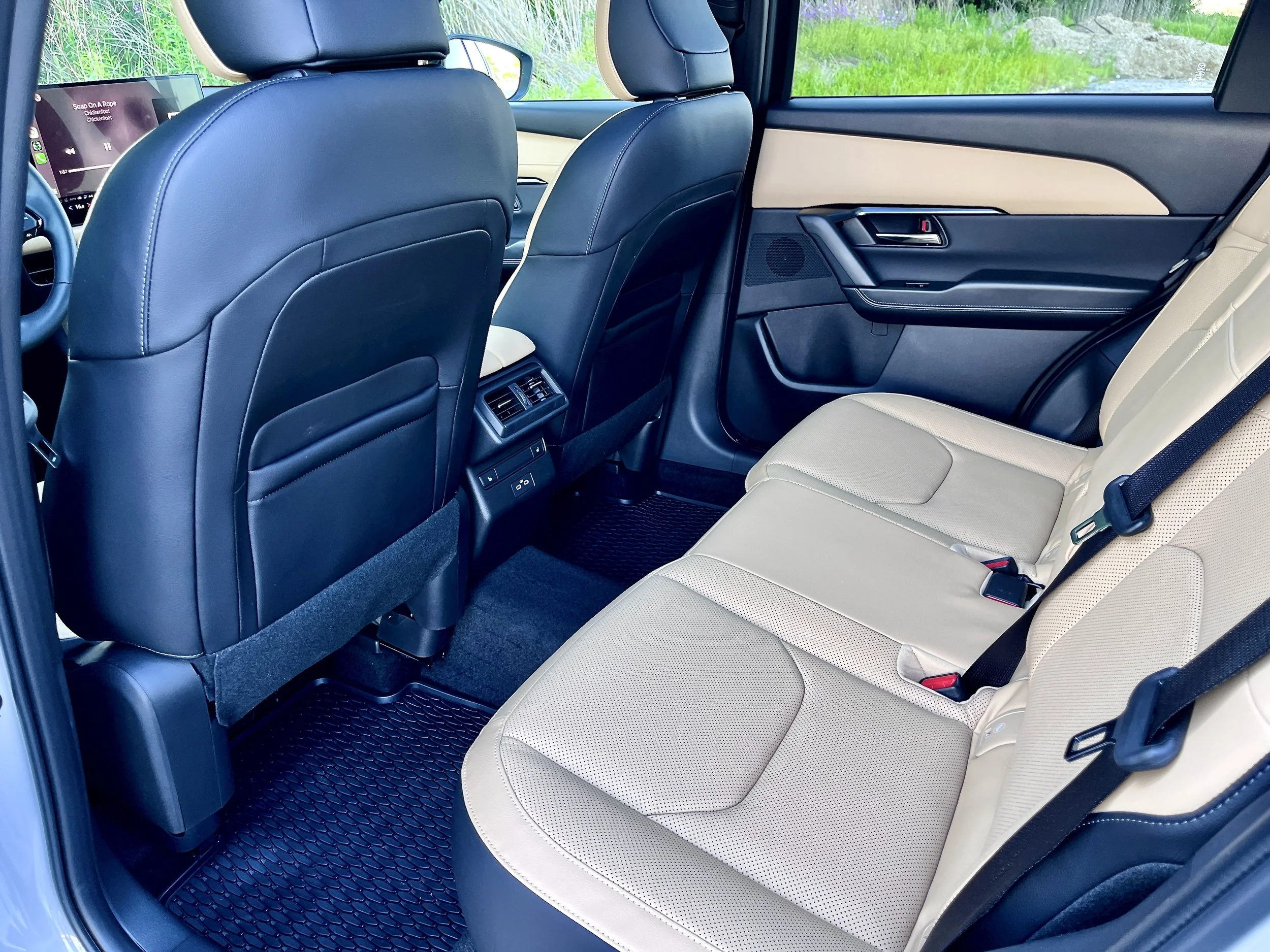
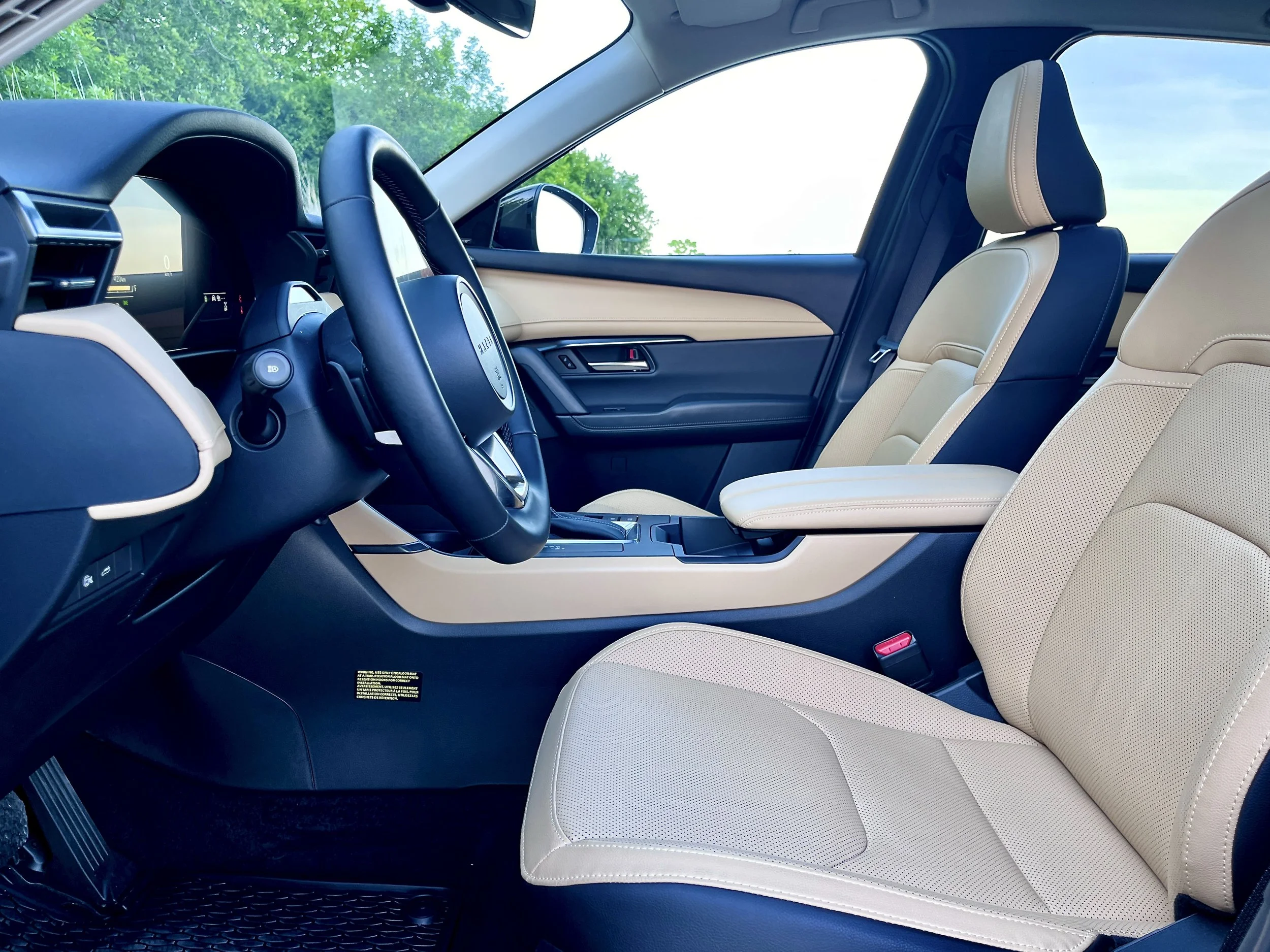
A mindful change for the 2026 Mazda CX-5 comes via the rear doors, which now open nearly 90 degrees, making it much easier to get people, stuff and things in and out, including car seats.
Once inside, there’s ample head, leg, foot and knee space for the two outboard passengers, with decent space for the middle rear passenger. Two USB-C ports, vents and available heated seats wrap up the amenities.
Cargo space ranges from 954 litres (good. but not best in class) to 1,882 litres with the rear seats folded.
There’s also a spare tire instead of a tire repair/fill kit, which scores bonus marks.
While Toyota decided to go hybrid only, the 2026 CX-5 is gasoline only, with rumours of a hybrid offering coming in the next couple of years. There’s also no longer a turbocharged engine offering.
For traditionalists, the six-speed automatic provides an authentic drive feel compared to a continuously variable transmission, which most competitors offer.
Acceleration is a touch sluggish and road noise is minimal, thanks to better insulation.
The 2026 model is longer, taller and wider than the 2025 and thankfully Mazda’s strong driving dynamics are mostly retained here around twists and turns.
Most road imperfections are soaked up by the softer suspension, giving occupants a smooth ride, whether it’s across town or the country.
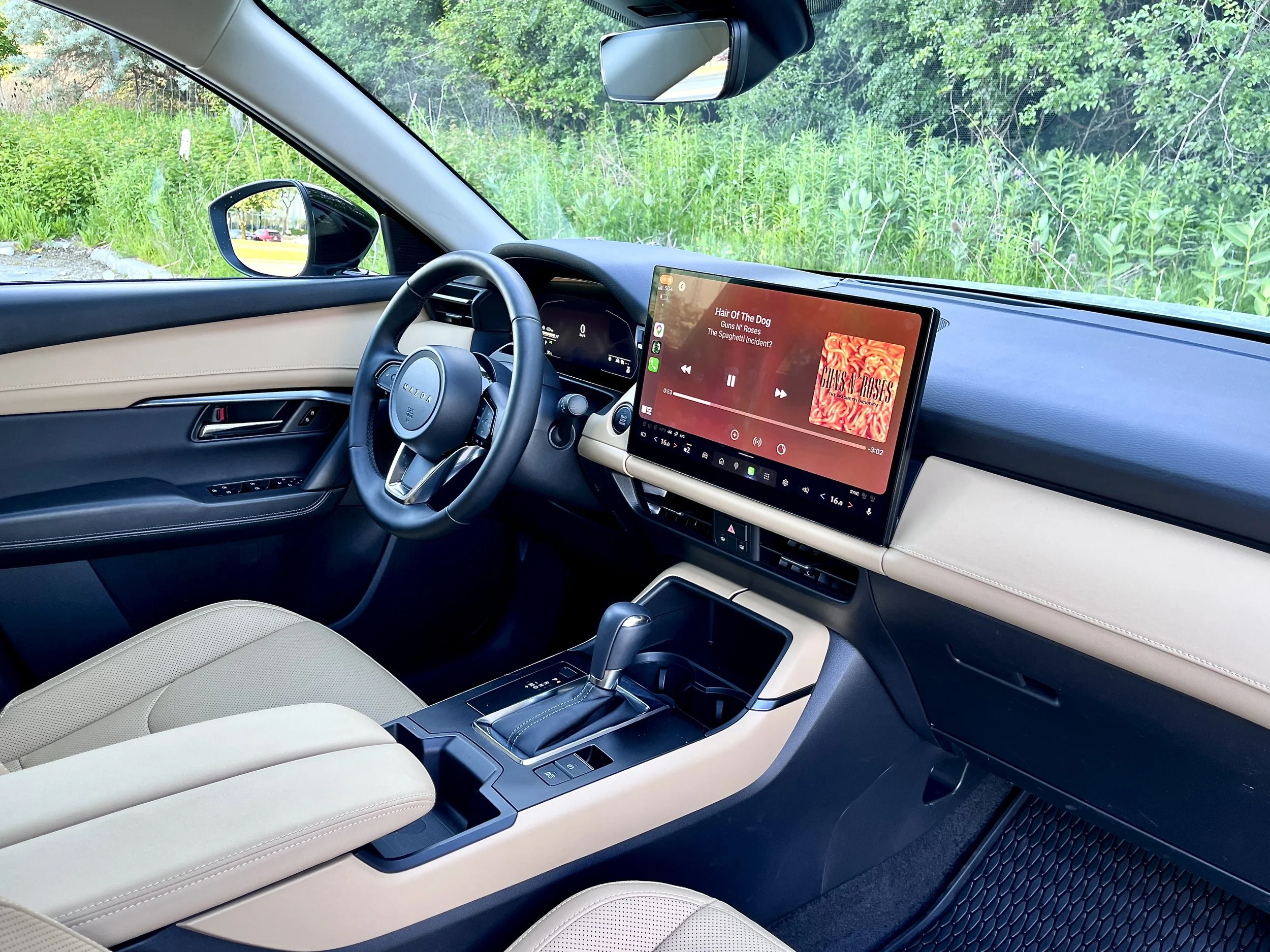
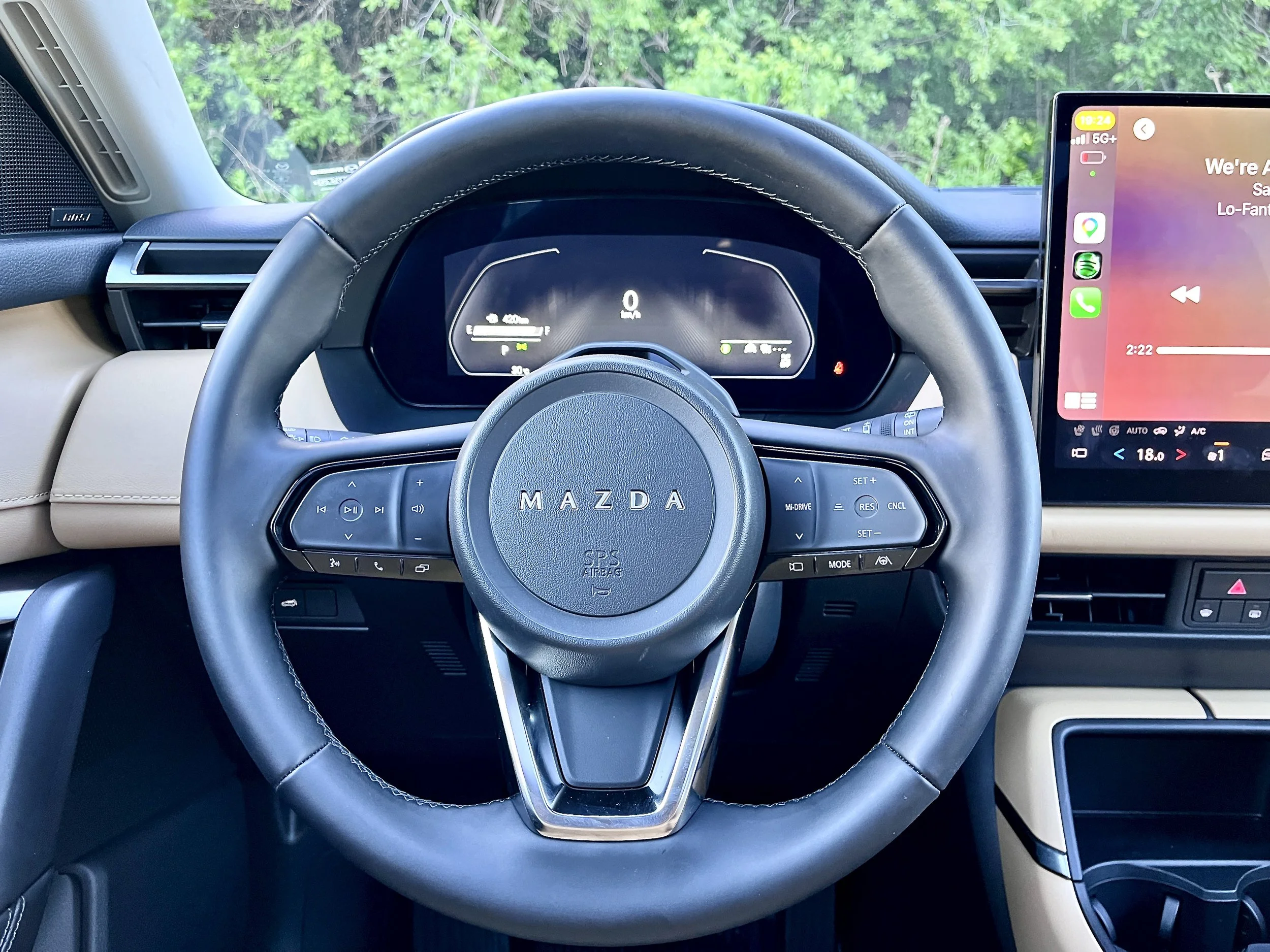
Mazda has embraced the digital world, with a standard 10.25-inch instrument cluster, which replaces the two large analog dials from 2025.
A 12.9-inch infotainment screen comes standard, with higher trims seeing a massive 15.6-inch version.
The good side is the graphics are crisp and there’s minimal lag between functions.
The drawback is that there’s no more rotary controller or physical buttons; everything from the climate controls to setting the memory seats and everything in between are done via the screen.
Interestingly, after a few years of most manufacturers going all-in on screens, Subaru has reverted to physical climate controls in the all-new Outback, and Volkswagen says they’re also making a change in future models.
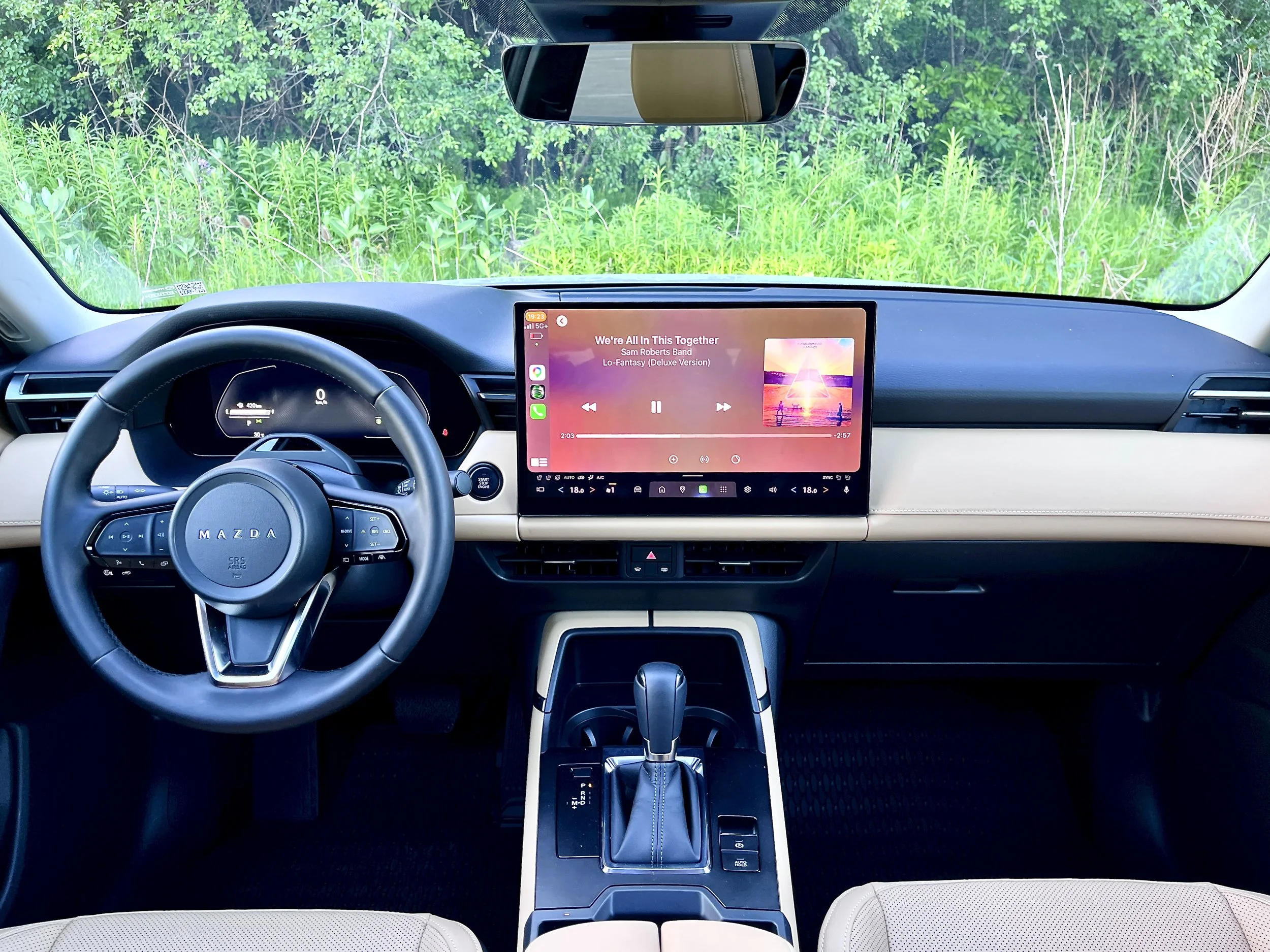
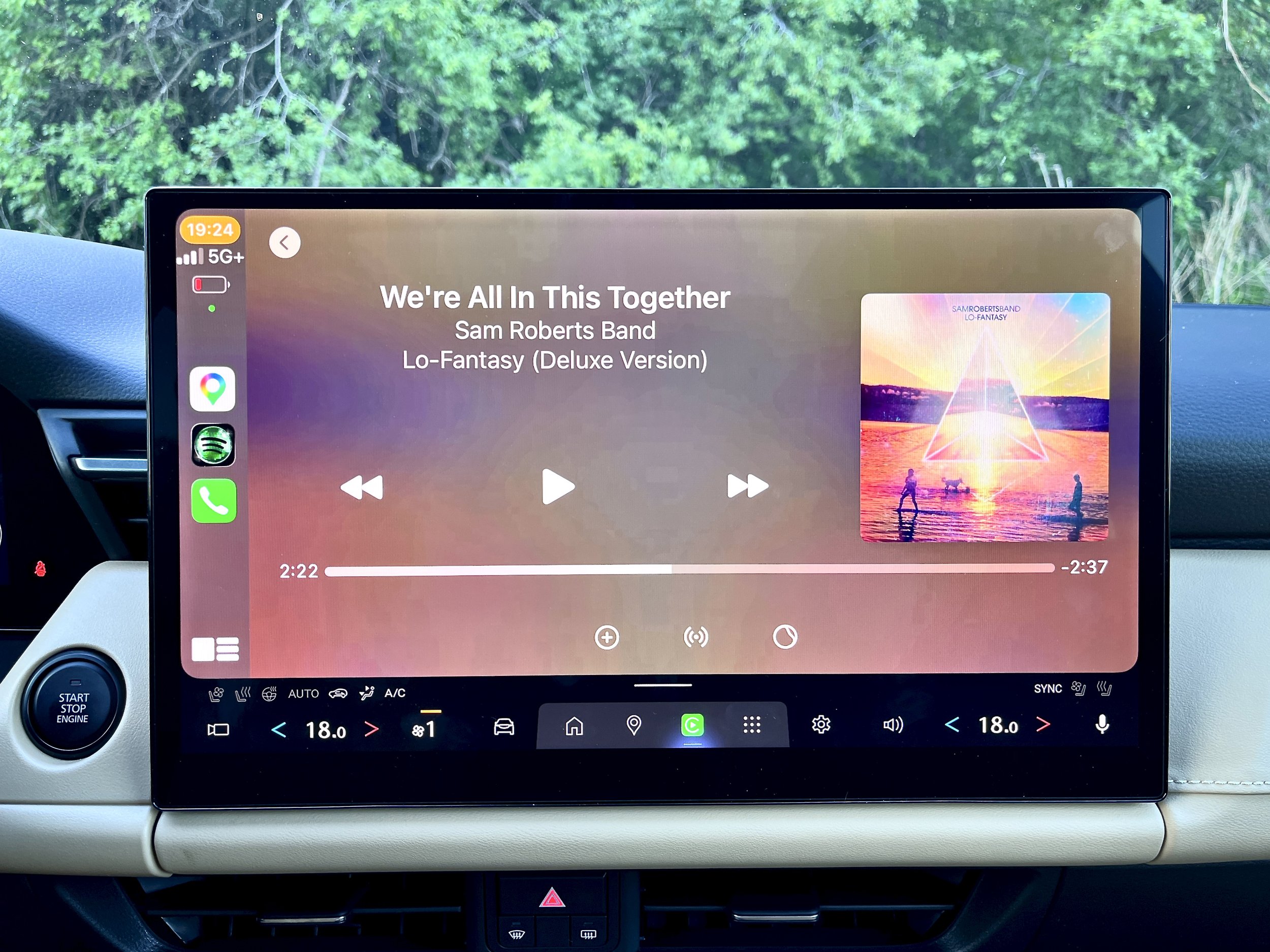
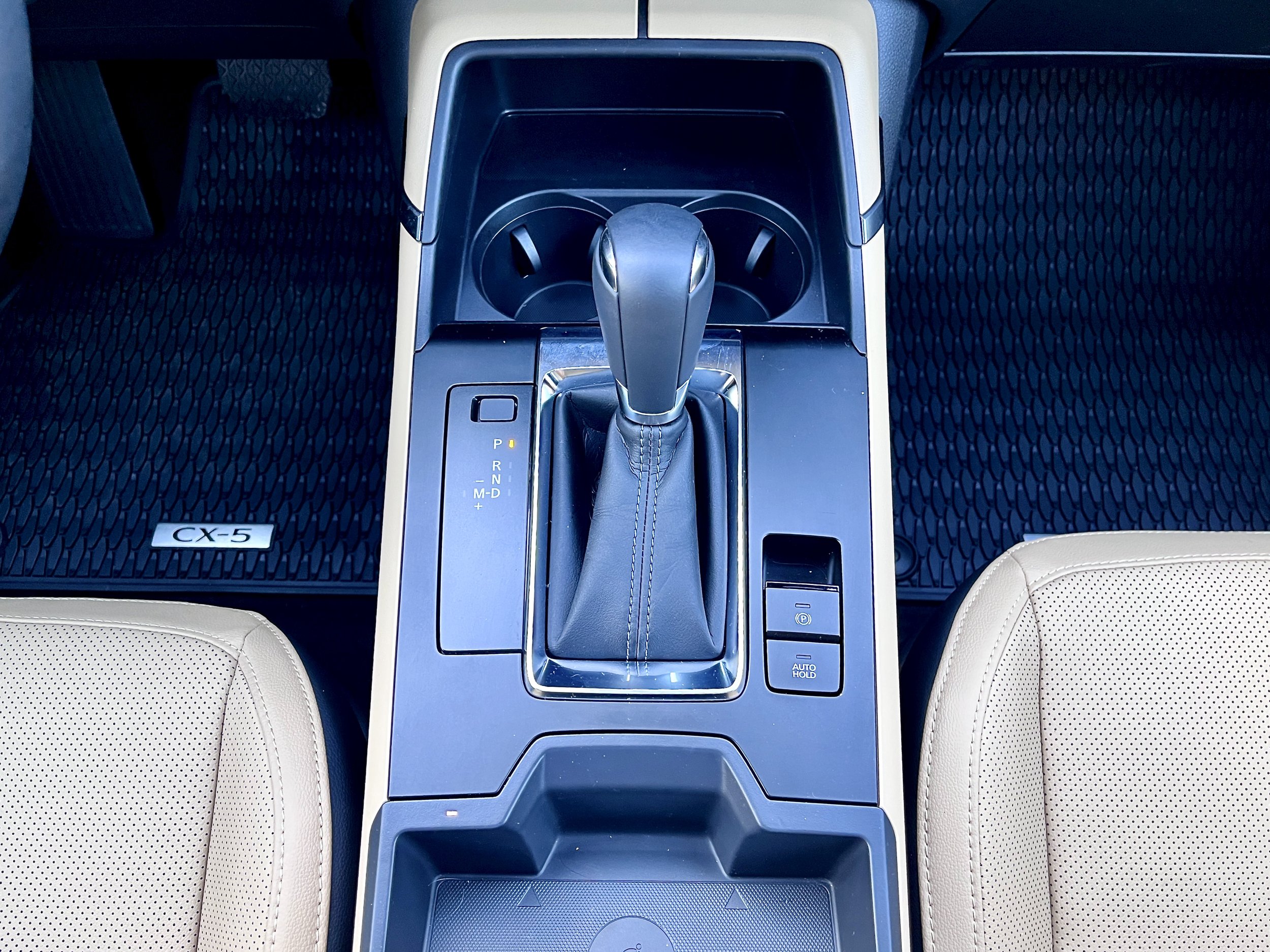
There’s still a physical gear selector and overall, there’s a modern look and feel in the cabin. The premium materials and design carry forward, positioning Mazda as a higher-end but not luxury manufacturer, effectively putting them in a unique lane.
Standard safety includes blind spot monitoring, lane keep assist, lane departure warning and rear cross traffic alert.
3 Perks
Premium interior
Rear doors that open nearly 90 degrees
Lots of standard safety
3 Irks
Climate controls are fully screen-based
No hybrid or turbo offerings
Drive feel isn’t as engaging as the last generation